How Bikepacking Helped Me Win the World 24 Hour Time Trial Championships (Twice)
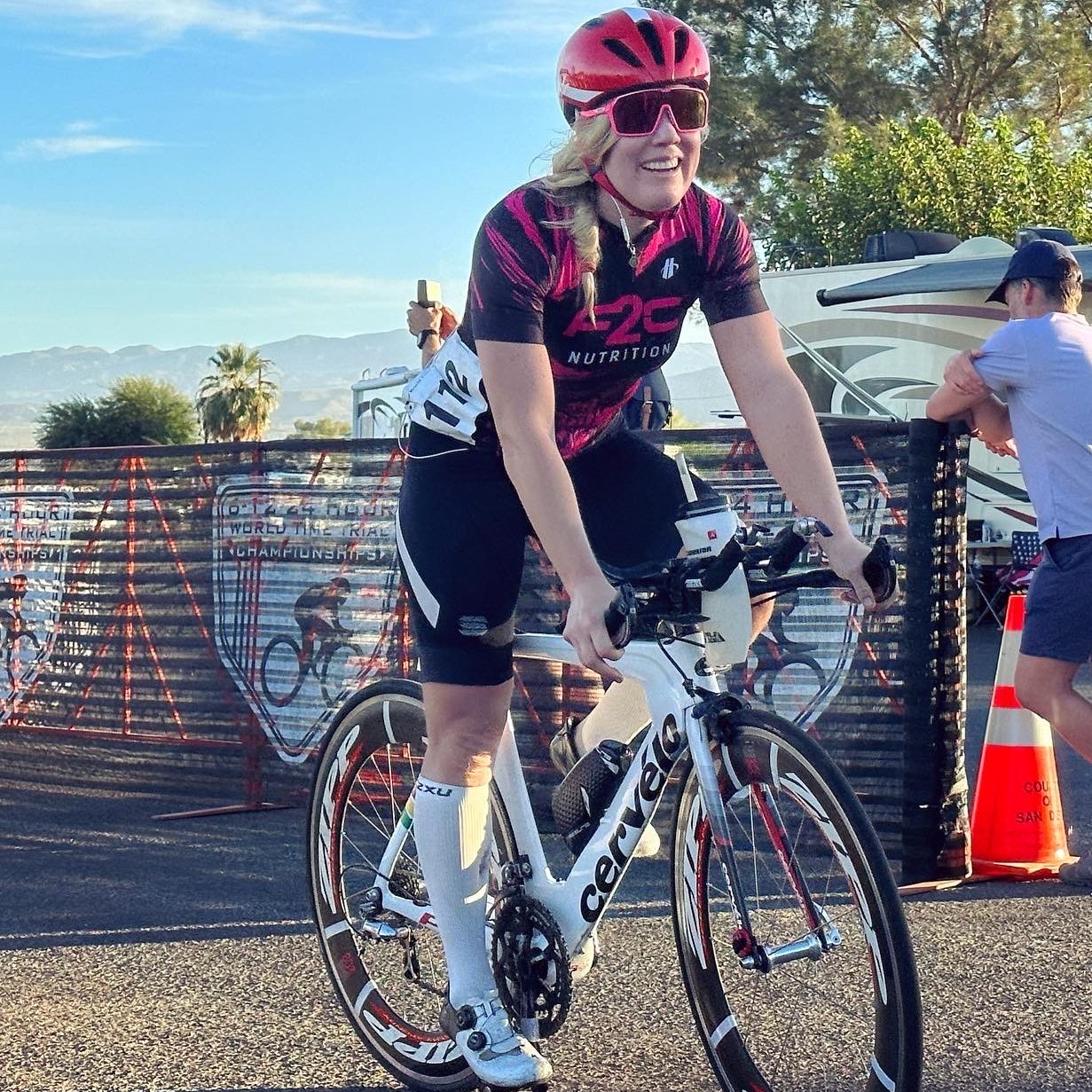
November 5, 2022: After twelve hours of tunnelling through darkness, dawn’s first pale hues buoyed my spirits. Since the 5:00 pm start whistle, I’d been sucked into a void: just me and my time trial bike on an 18-mile loop in the Anza-Borrego Desert. Despite the hundred-plus competitors, outside of brief stops every few hours in the pit—where my three-person crew swapped bottles, lights, and electronics with tender efficiency while I gulped carb-laden liquids—I rarely witnessed another soul except in passing. Accompanied by the sound of my aero wheels slicing through air, I glanced toward the soaring mountain peaks backlit by a lilac-berry sky. Ready to meet the day.
The World 24 Hour Time Trial Championships take place every fall in Borrego Springs, a sleepy retiree community in Southern California. Among palm trees and a dozen kinds of spiny cacti, the best endurance time trialists in the world gather to test their limits on the fast, flat paved course. The RAAM qualifier kicks off in the evening, sending riders almost immediately out into a night where temperatures dip close to freezing until the scorching desert sun reappears the following morning with a vengeance.
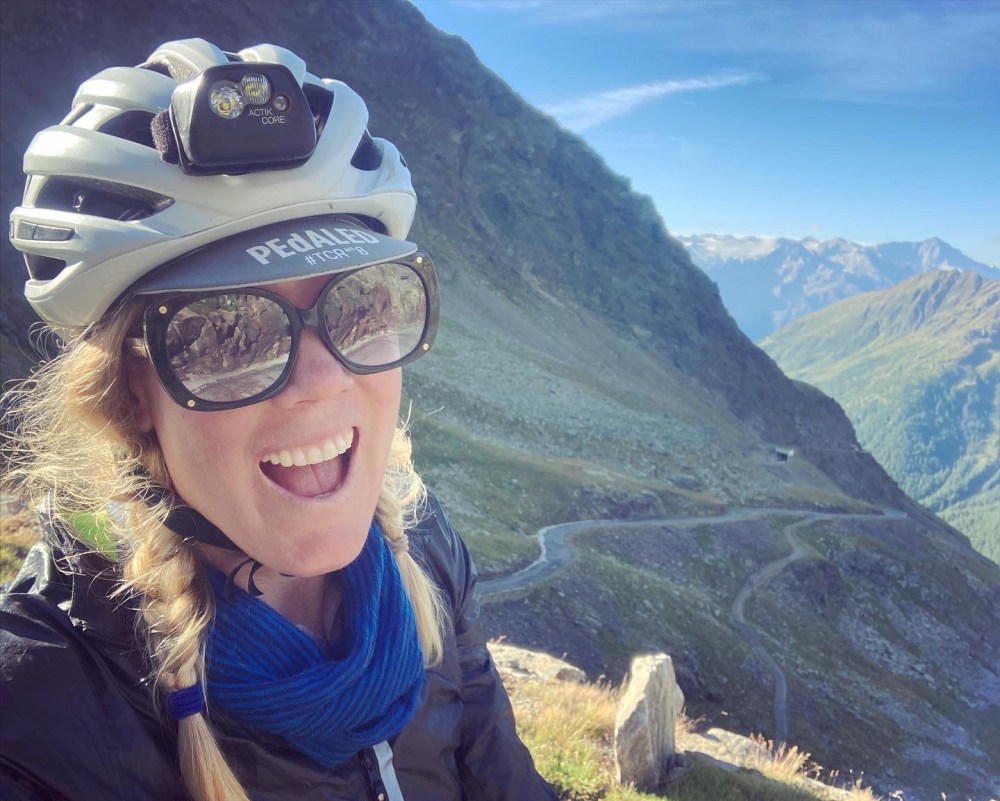
It was into this second race phase that I was heading. Yet instead of trepidation, I felt relief—calm certainty. With a background of big solo rides and multi-day self-supported bikepacking races like the Transcontinental, Trans Am Bike Race, and NorthCape4000, I was well-prepared for 24 hours in the saddle.
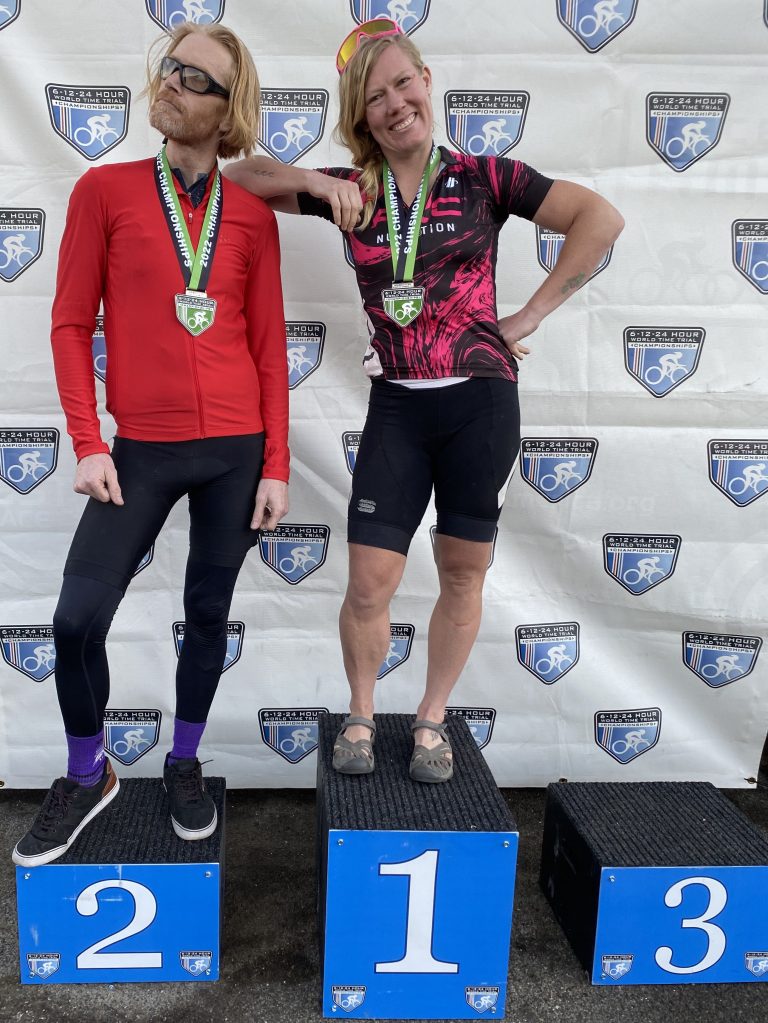
Around 7:00 am, I rolled into position as lead female. As the mercury rose, I picked off every other competitor except one (Austrian Philipp Kaider) to cross the finish line with a new women’s course record of 478.9 miles (770.5 km), beating my 2019 course record by 18.1 miles (29.1 km). While many factors contributed to my success—including familiarity with the course and the support of a top-notch crew—what gave me the biggest edge on the competition was my unique skillset as a bikepacker. With some modifications, I was able to transfer my bikepacker’s knowledge about pacing, fuelling, self-care, and mental fortitude to achieve success into the realm of ultra-endurance time trialling.

Pacing Different Events
How long is a bikepacking adventure? That depends, but usually longer than 24 hours. Which meant after years of experiences—both touring and racing, on pavement and mixed surfaces—I had amassed a trove of useful personal information about how my body responds to various distances, conditions, and intensities. I used this intel, including power data and rate of perceived exertion (RPE) sensations, to prepare my successful 24-hour race strategy.
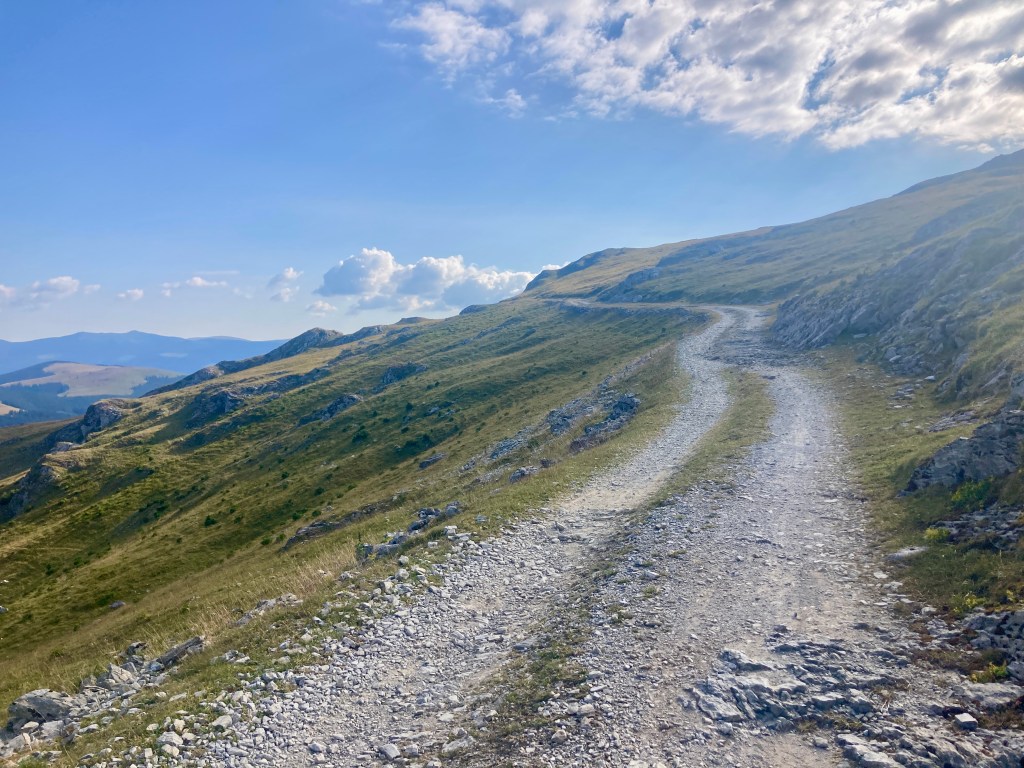
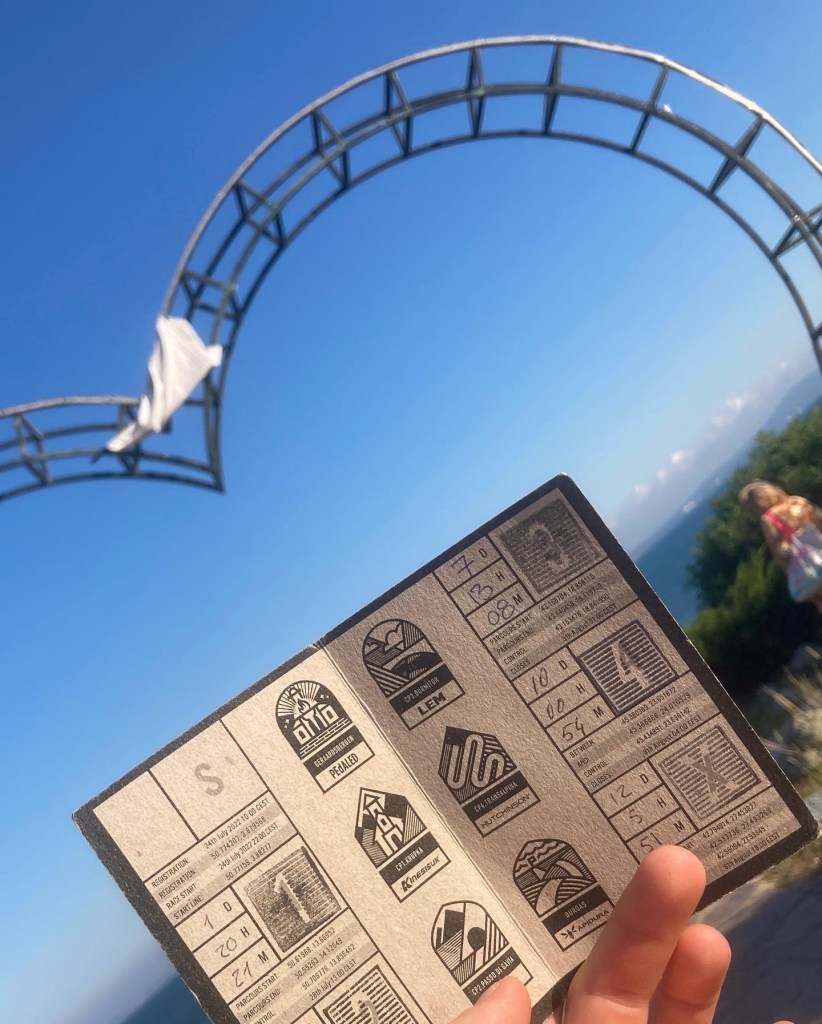
While the relatively short duration and supported nature of the World 24 Hour Time Trial Championships might appear less daunting compared to the logistics of bikepack racing—for instance, plotting and riding a checkpoint-based route through thirteen countries across Europe in last summer’s Transcontinental Race—pacing is always a delicate balance. What feels easy at the start often becomes unsustainable after six or twelve hours. However, with all my experience on the road, I managed to nail it: my lap times remained nearly uniform, enabling me to pass riders who went out too hard at the whistle only to have their speed drift off. With plenty of time to become accustomed to the TT position during previous multi-day events, it wasn’t a struggle to maintain form either, adding aerodynamic efficiency to clockwork consistency.

Bike Race or Eating Competition?
2015 Trans Am Bike Race winner Jesse Carlsson famously described ultra-cycling as “an eating competition with a bit of riding thrown in. You try to get as many calories in as possible.” Anyone who has experienced the dreaded bonk can attest to the importance of fuelling the body’s engine during extended efforts, yet exactly what to ingest varies widely. I’ve tried everything from massive diner breakfasts and fried chicken to pounds of juicy orchard peaches and king-size Snickers bars. I’ve also paid attention to the digestive response and noted foods to avoid (in my case, the aforementioned fried chicken). My preference: high-calorie liquids followed by packable items like Oreos, bananas, gummy bears, and granola bars.
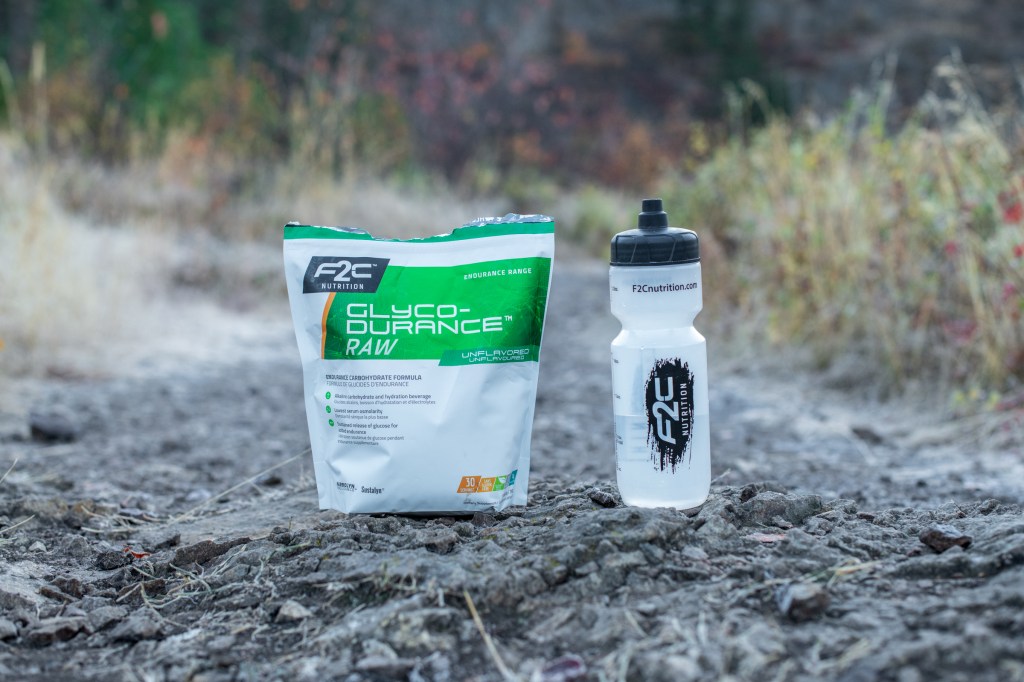
Another lesson I gleaned by way of bikepacking is that an increase in intensity or heat is co-related with a decrease in my ability to process solids. In the case of the 24-Hour Time Trial Championships, I’d be submitting myself to both, and opted to fuel with F2C Nutrition Glyco-Durance (an endurance carbohydrate formula), Endurance 5:1 (a 5 to 1 ratio of carbs to protein) with added electrolytes to offset the extra sweating I’d be doing in the desert heat. In a longer self-supported event, this kind of specificity could never be achieved. However with the help of my crew, I optimized my nutrition strategy based on trial and error in bikepacking.

Preparation and Self-Care
Self-sufficiency is one of the most notable aspects of bikepacking. Alone in remote areas, riders learn how to carry what they need and problem-solve creatively. More subtly, we become adept at tuning into our own bodies, managing self-care (including sleep maintenance, mental well-being, and the oddly specific realm of undercarriage hygiene) and remaining attentive to rapidly shifting external conditions. For example, if I’m climbing a high mountain pass and a storm blows in, I’m forced to take immediate decisive action—such as layering up or seeking refuge—or face the consequences. By combining thoughtful pre-ride preparations with close observation, an experienced bikepacker can respond quickly without losing momentum.
Interestingly, these preparatory and attentive aspects of self-sufficiency transfer into the realm of supported ultra-endurance time trialing—except with one major difference: the addition of a crew. Instead of packing my possessions into bike bags, in the case of the World 24 Hour Time Trials I laid everything out in the staging area, labeled each item from nutrition to charging cables to clothing options, and then briefed the crew on our plan of attack.
Though I relied on crew members to carry out my requests during pitstops, I remained alone on the road, which meant I still had exercise my best judgement and communicate my needs accordingly. Like bikepacking, I aimed to anticipate outcomes and respond swiftly instead of waiting for an issue to blow out of control. For instance: from night riding I knew temperatures would continue to drop until sunrise, so I layered up well before I felt chilly. By 4:00 am, the single-digit temperatures hovered just above freezing: some riders huddled inside vehicles to warm themselves, while others struggled to use their extremities in the cold. Arriving with a well-considered layering strategy and addressing the situation before it snowballed helped me remain comfortable on the course, racking up miles.


Mental Stamina
24 hours on a time trial bike calls for more than physical strength and meticulous planning. It requires mental stamina: the ability to stay calm and focused for an extended period, regardless of discomfort, fatigue, or boredom.
Admittedly, the mental side of things is one aspect of endurance cycling that I continue to struggle with, especially after sleep deprivation kicks in (check out my essay in Femme Cyclist if you want to know more). However, as I amass experience, I’m coming to better understand how keep myself motivated and on target. Whether it’s a big ride, Everesting, or race, seeing myself successfully cross the finish line provides a lasting boost to my confidence, in addition to the valuable learnings about what it took to get there.
By competing in hard events like The Big Lonely, a challenging 350-mile route that traverses remote backcountry of Central Oregon on singletrack, trail, and a touch of pavement, I’ve stretched my limits and sharpened my mental game. Even in situations like last summer’s Transcontinental Race—where I felt like a hot, flailing mess most of the time—that I still found my way to the finish contributed to a growing resiliency that now accompanies me to future events like the World 24 Hour Time Trial Championships.


Final Thoughts
Unlike the end of a bikepacking race where you’re lucky if there’s a lone figure standing by to hand you a soda, I was engulfed in a celebratory crowd when I crossed the finish line in Borrego Springs. A crew member whisked away my bike while someone else plunked me down in a lawn chair to loosen off my shoes; an F2C Nutrition Rehab 3:1 Complete protein recovery drink magically appeared. Though stationary, the sensation of being on the bike lingered—I felt like I was floating, my limbs light with finisher’s euphoria and gratitude: to the crew for staying up all night to keep me rolling, and for the sport of bikepacking for teaching me how to endure.
Whether your future includes ultra-endurance time trialing or something completely different, know that the skills in your bikepacking toolkit are transferable. Continue building your toolkit, and you might be surprised where it may lead you!
- Ride on Strava if you’d like to dig into the data.
- Check out my race report in Canadian Cycling.
- Use discount code MEAGHAN15 for a 15% discount on F2C Nutrition products.


 Meaghan Hackinen