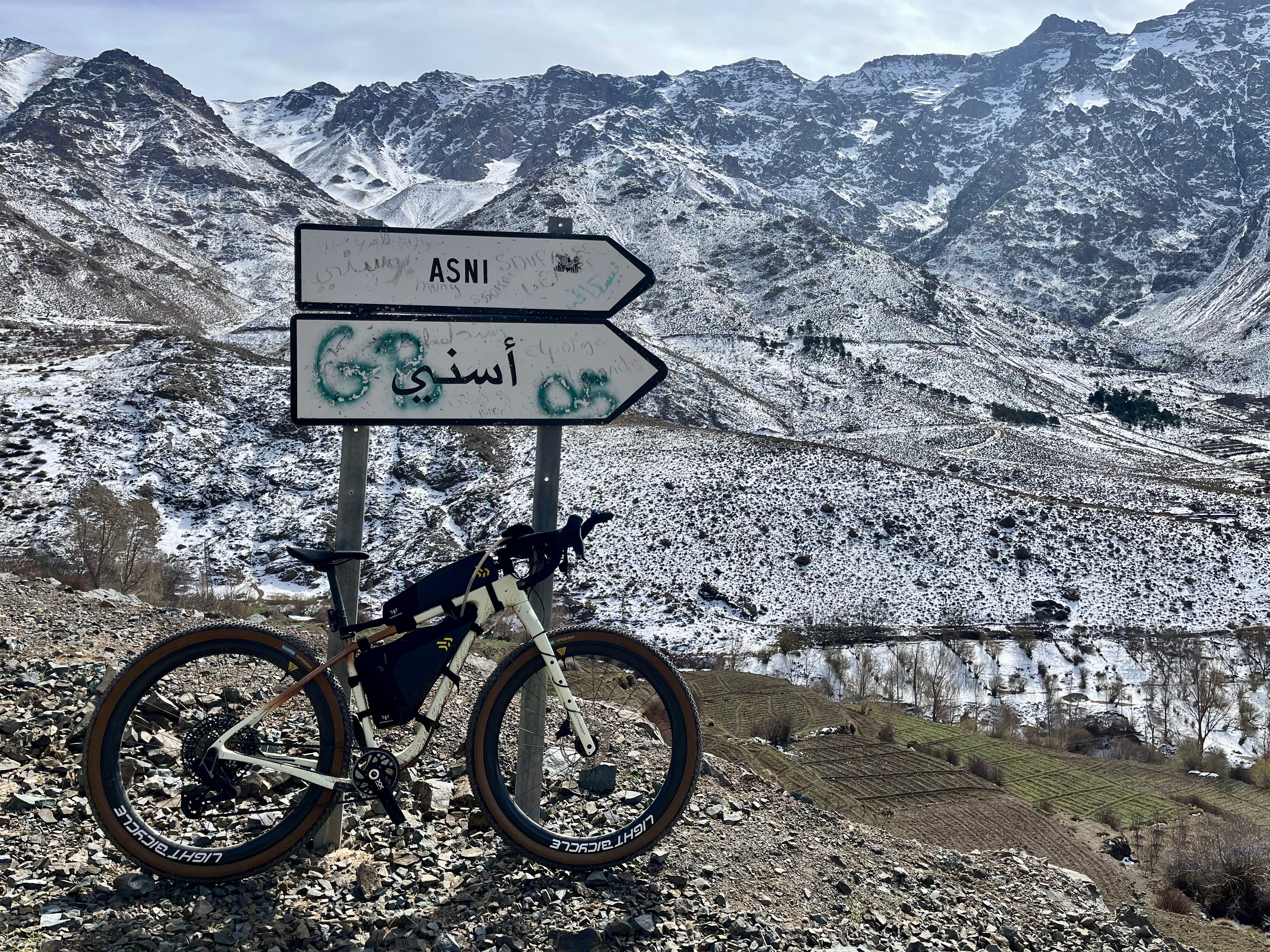
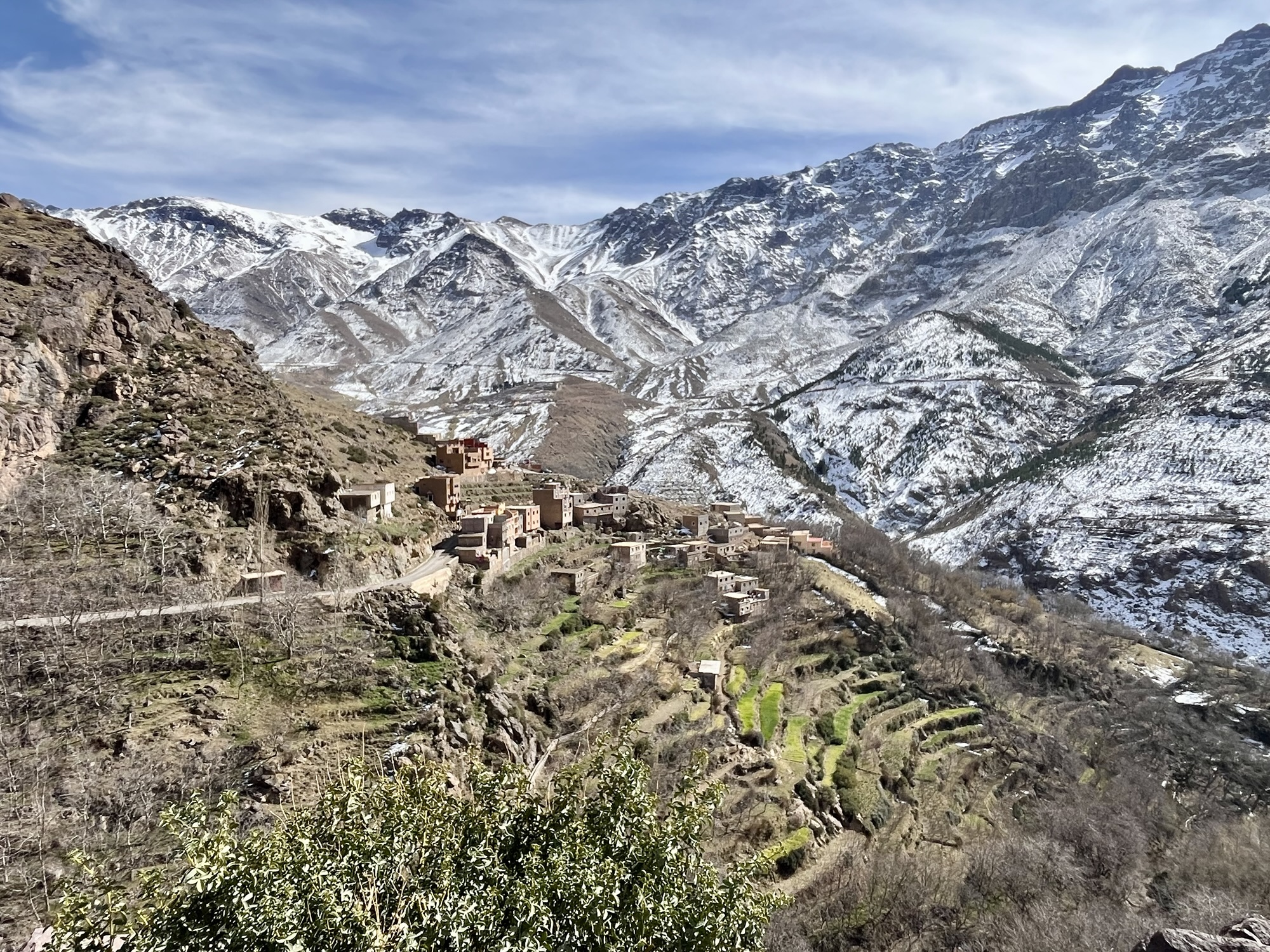
The climbing began almost as soon as we left Marrakech at sunset. Gently at first, then steadily rising toward Telouet Pass at 2,600 meters. By the time we reached the higher elevations, snow and ice had buried the gravel road, and the Atlas Mountains glowed silver beneath a waxing gibbous moon. The ride up demanded patience; the descent down Telouet’s infamous mule trail called forth everything I could muster. Most of us dismounted, picking our way down the twisting path, pushing loaded bikes through crusted snow and slippery rock. Every few steps I plunged thigh-deep into drifts, fighting to keep both my footing and my bike from sliding downhill.
Eventually the trail widened, the snow thinned, and I swung a leg back over the saddle. The night stretched into cold hours of climbing, descending, and navigating through darkness. But I kept moving. When the lights of Auberge Telouet finally appeared at 3:15 a.m., I rolled into the first checkpoint, relieved to be off the mountain in one piece and ready to press deeper into the Atlas.
Why The Mountain Races Demand the Best
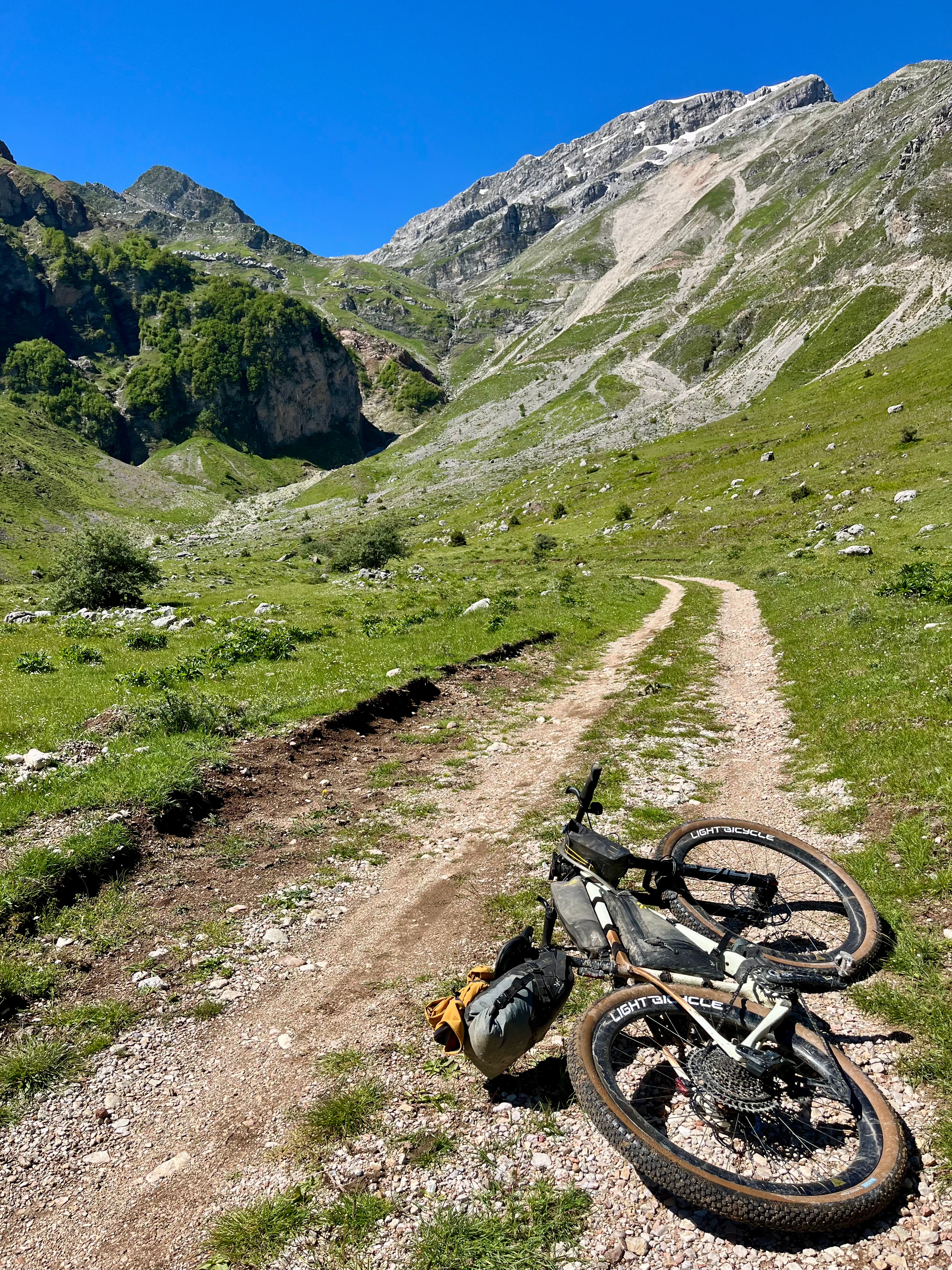
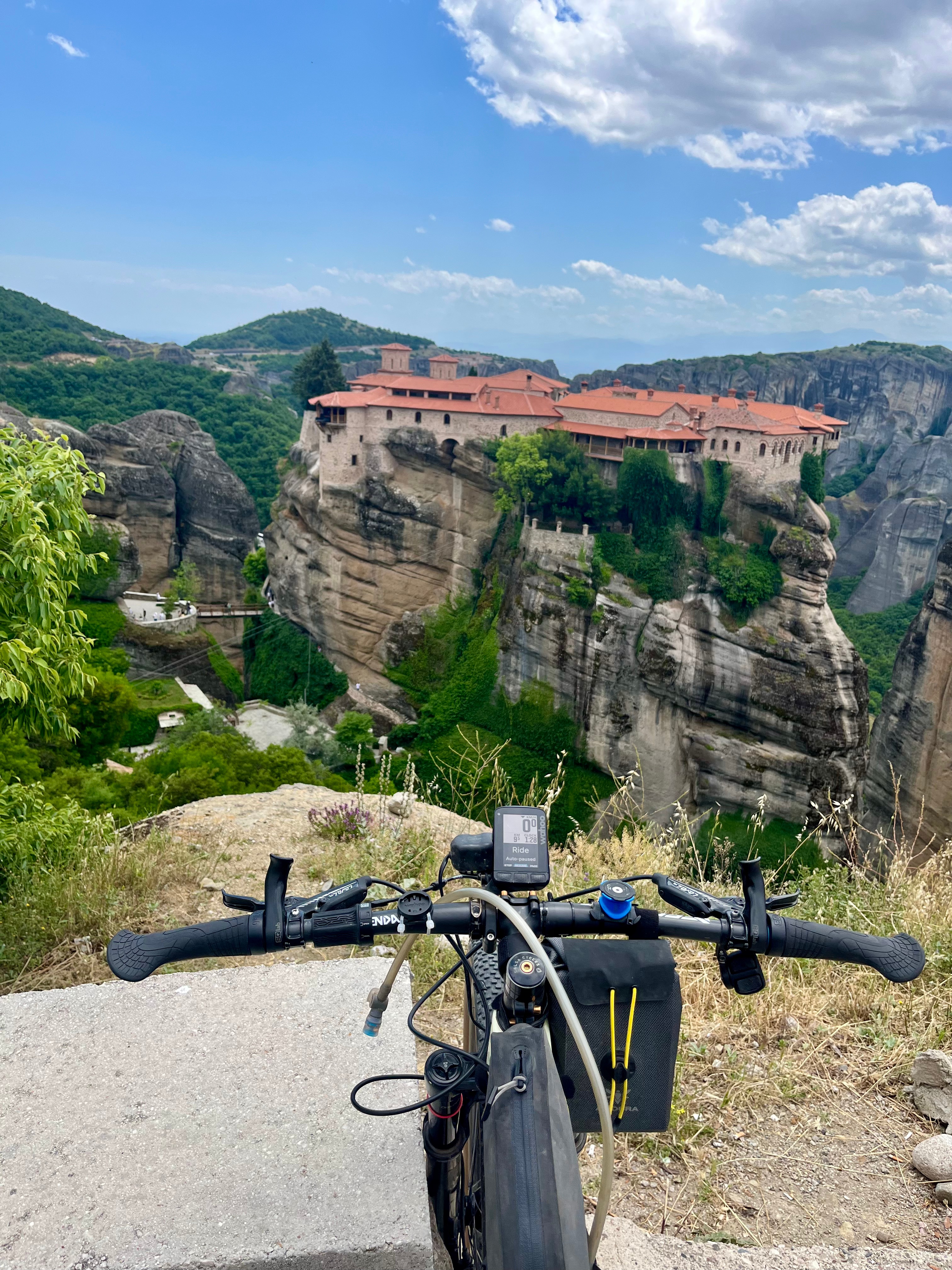
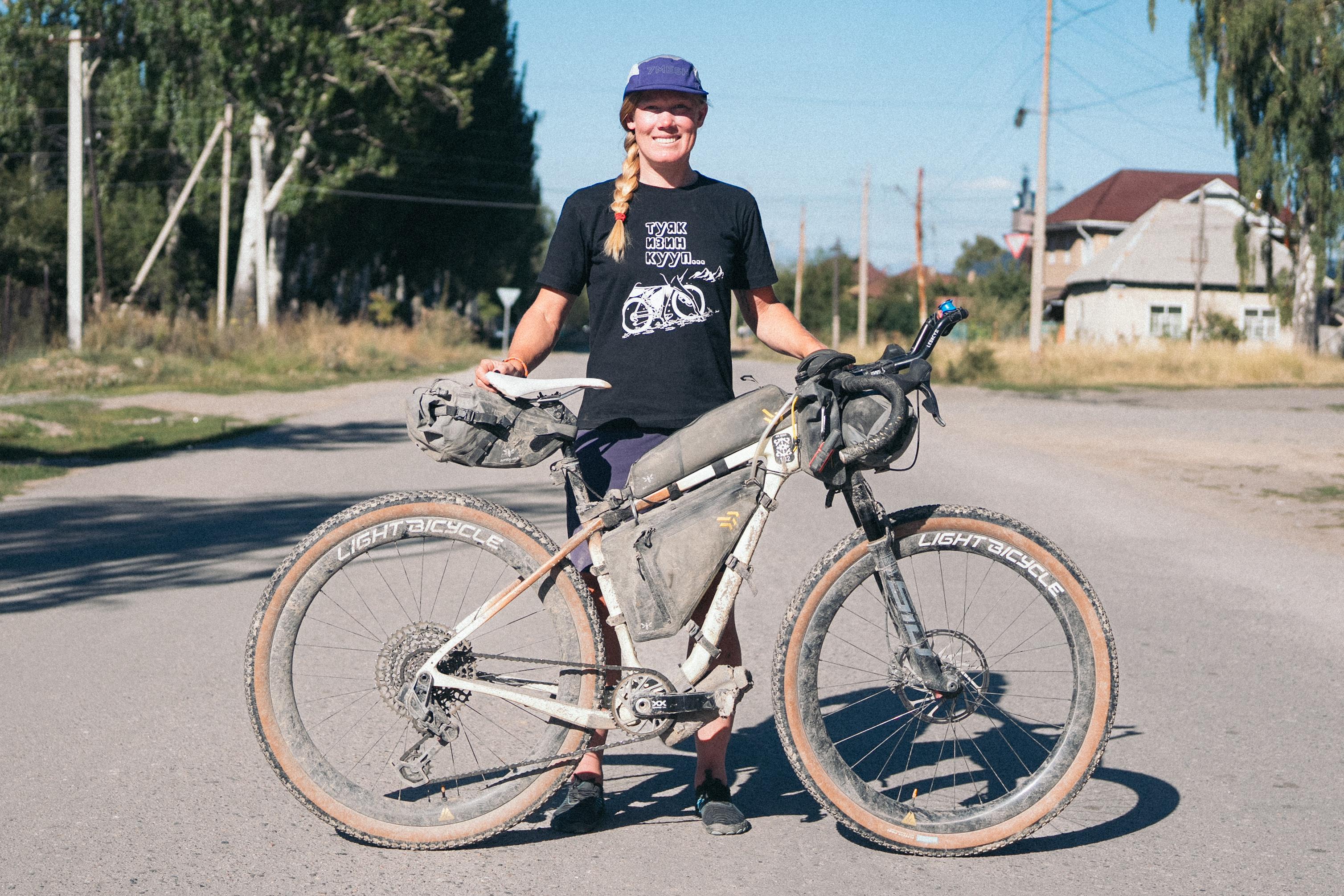
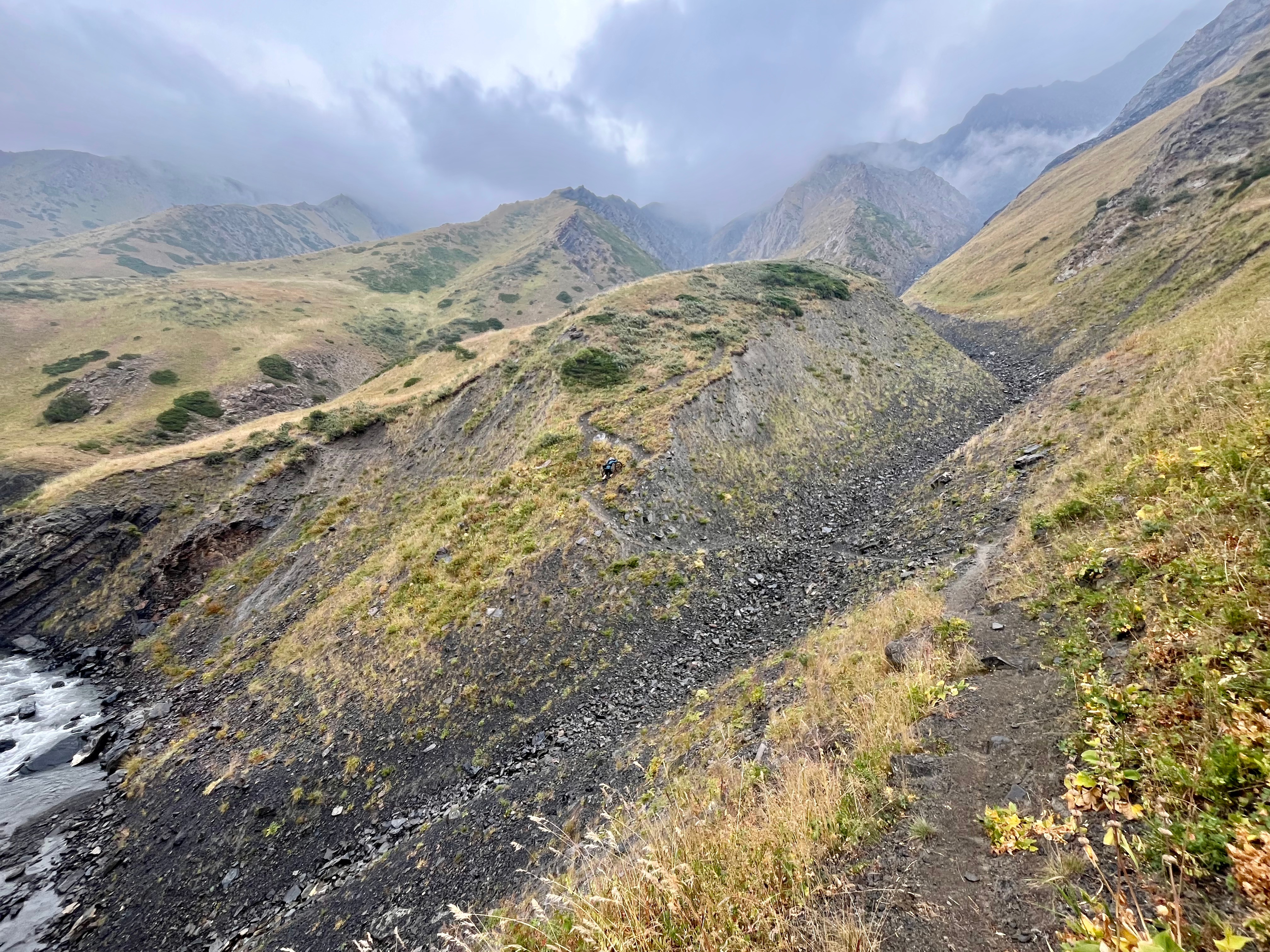
The Mountain Race Series—Silk Road in Kyrgyzstan, Atlas in Morocco, and Hellenic in Greece—pushes riders into remote landscapes where equipment matters as much as fitness. Routes range from 900 to 1,950 km and include rugged gravel, ancient trade and shepherd trails, hike-a-bike passes, and weather that swings from scorching heat to freezing rain or snow.
The races are entirely self-supported. Riders must carry gear, manage repairs, and make constant decisions about pacing, navigation, and resupply. Days from the finish and hundreds of kilometers from the nearest bike shop, reliability isn’t a luxury—it’s essential.
Competition has grown dramatically, with strong women’s and men’s fields. From components to line selection, every choice counts.
Key Components and Why They Mattered
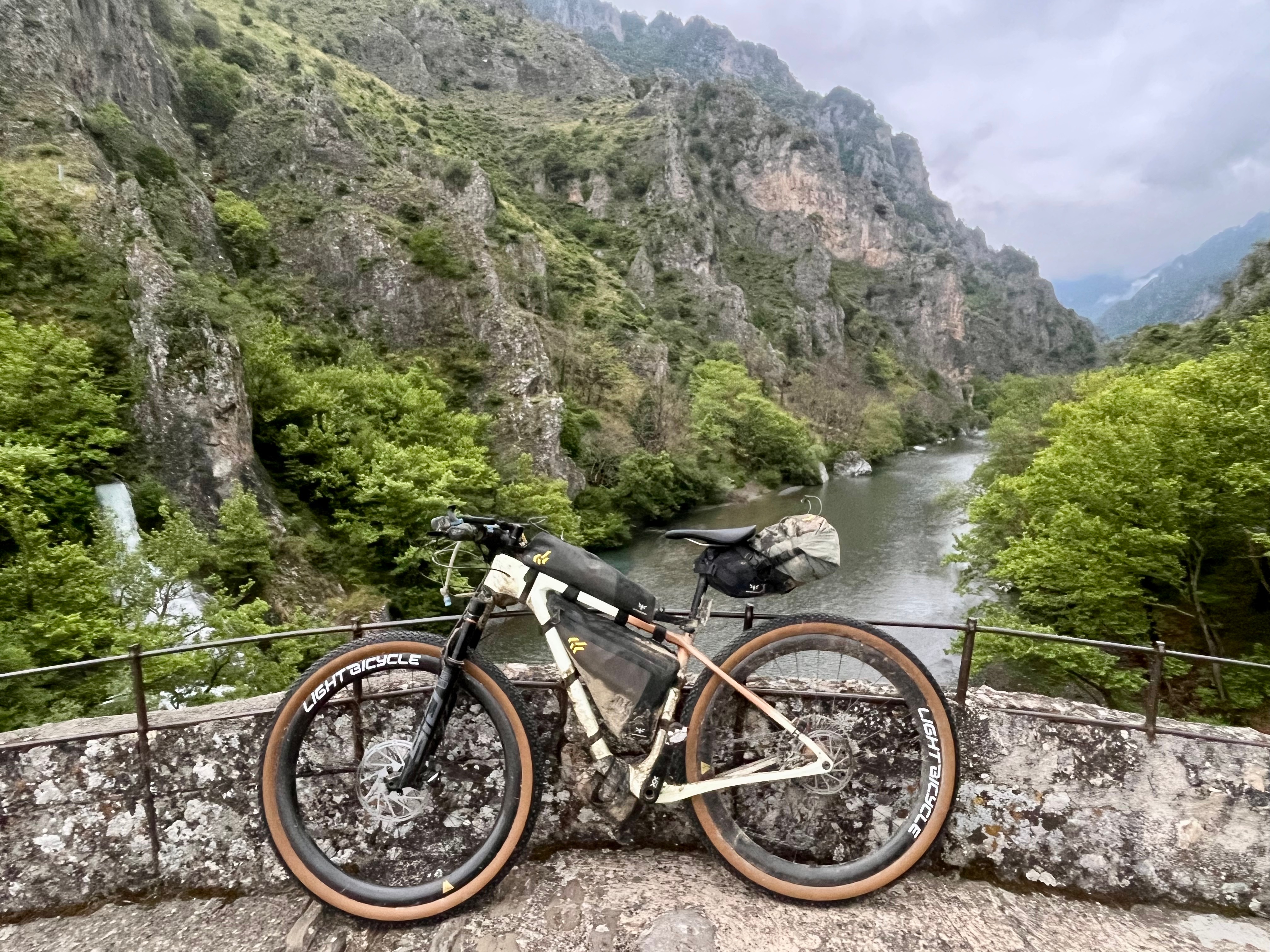
Bike One: Built for Ultra-Endurance Racing
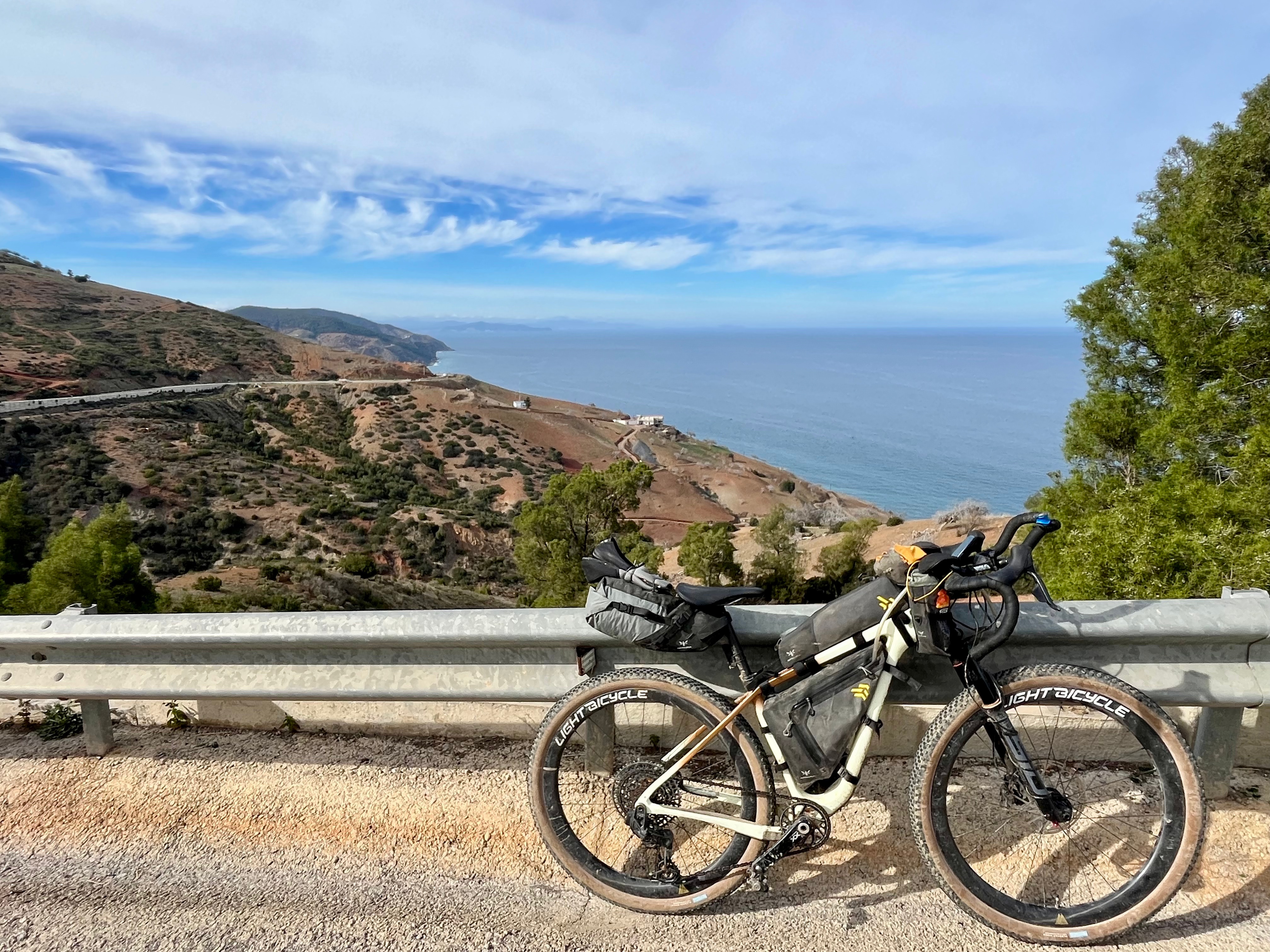
Frame & Build
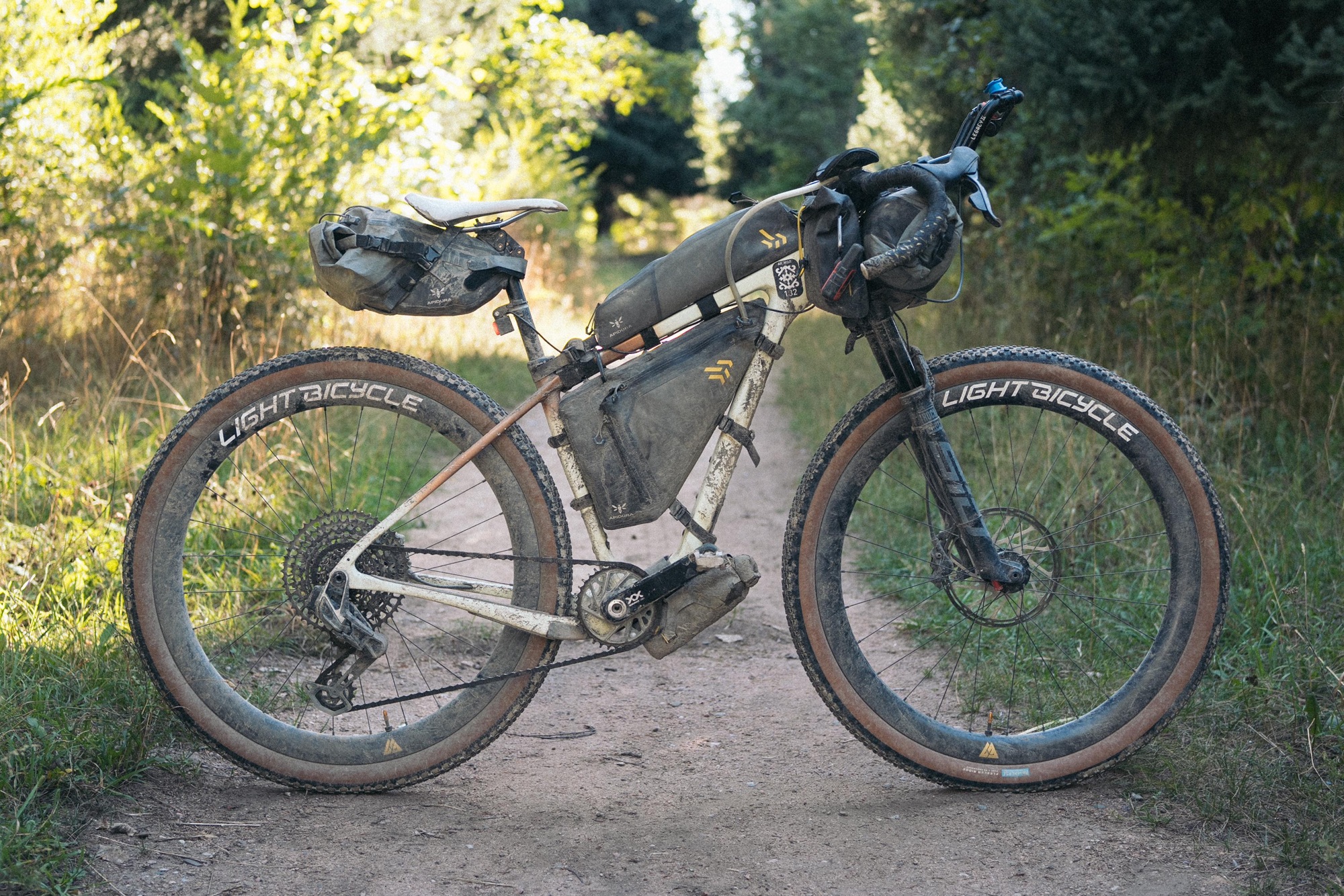
- 2025 Salsa Cutthroat C Force XO AXS Transmission
- SRAM XS-1295-A1, 10–52t, 12-speed cassette
- SRAM XX Eagle Transmission, 34t crankset for Silk Road & Atlas / 30t for Hellenic
- Salsa Cowchipper handlebars (carbon) / DESCENDANT Carbon Flat Bar for Hellenic
- Salsa Guide seatpost (carbon)
- Titanium bolts from The Ti Bolt
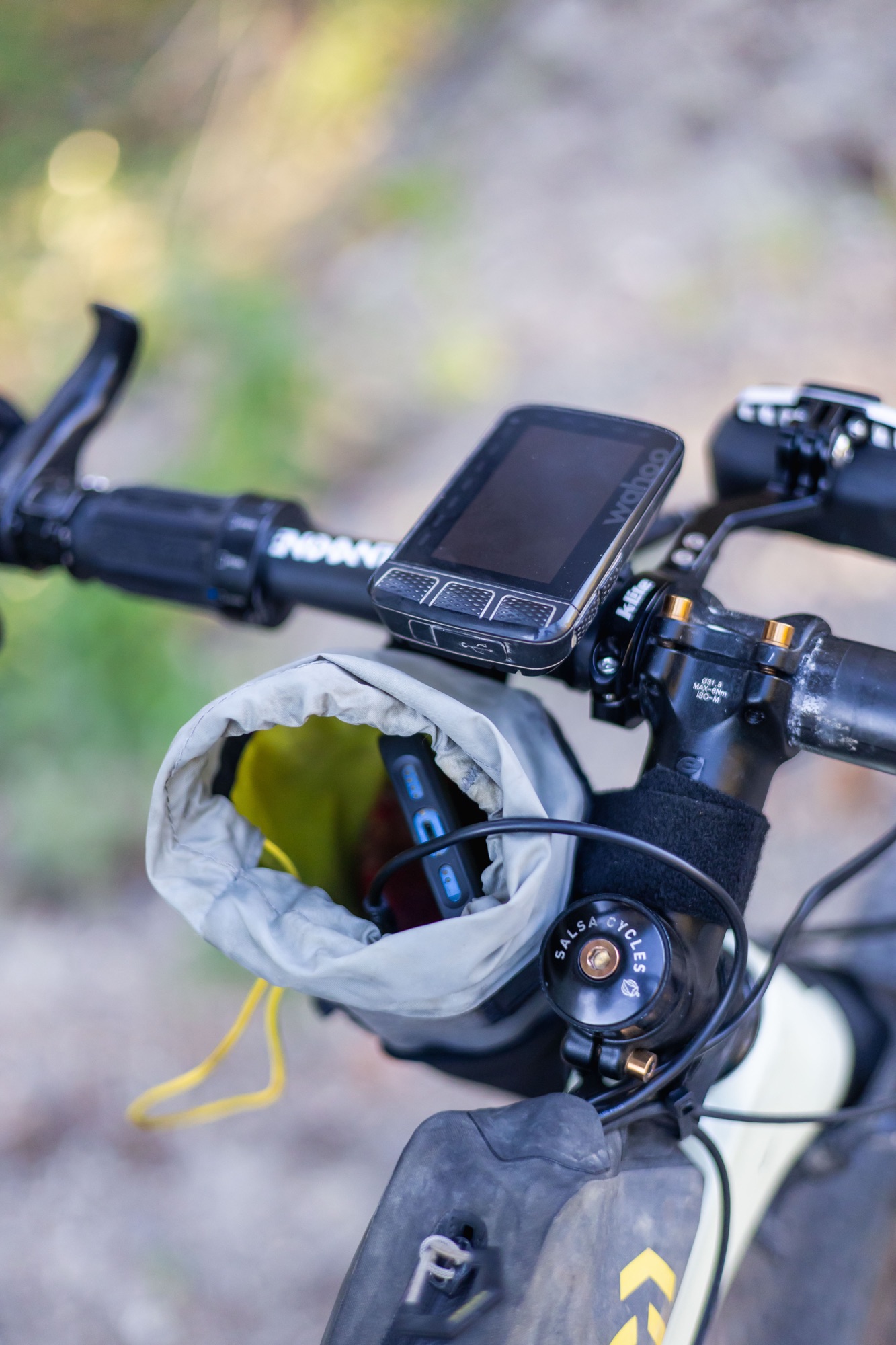
- Profile Design Legacy II aerobars for Silk Road & Atlas / none for Hellenic
Why: Comfort, stability, and confidence over long climbs and technical descents. The Cutthroat’s lightweight carbon frame with Salsa’s Class 5™ Vibration Reduction System smooths harsh surfaces and reduces fatigue.
Wheels & Tires
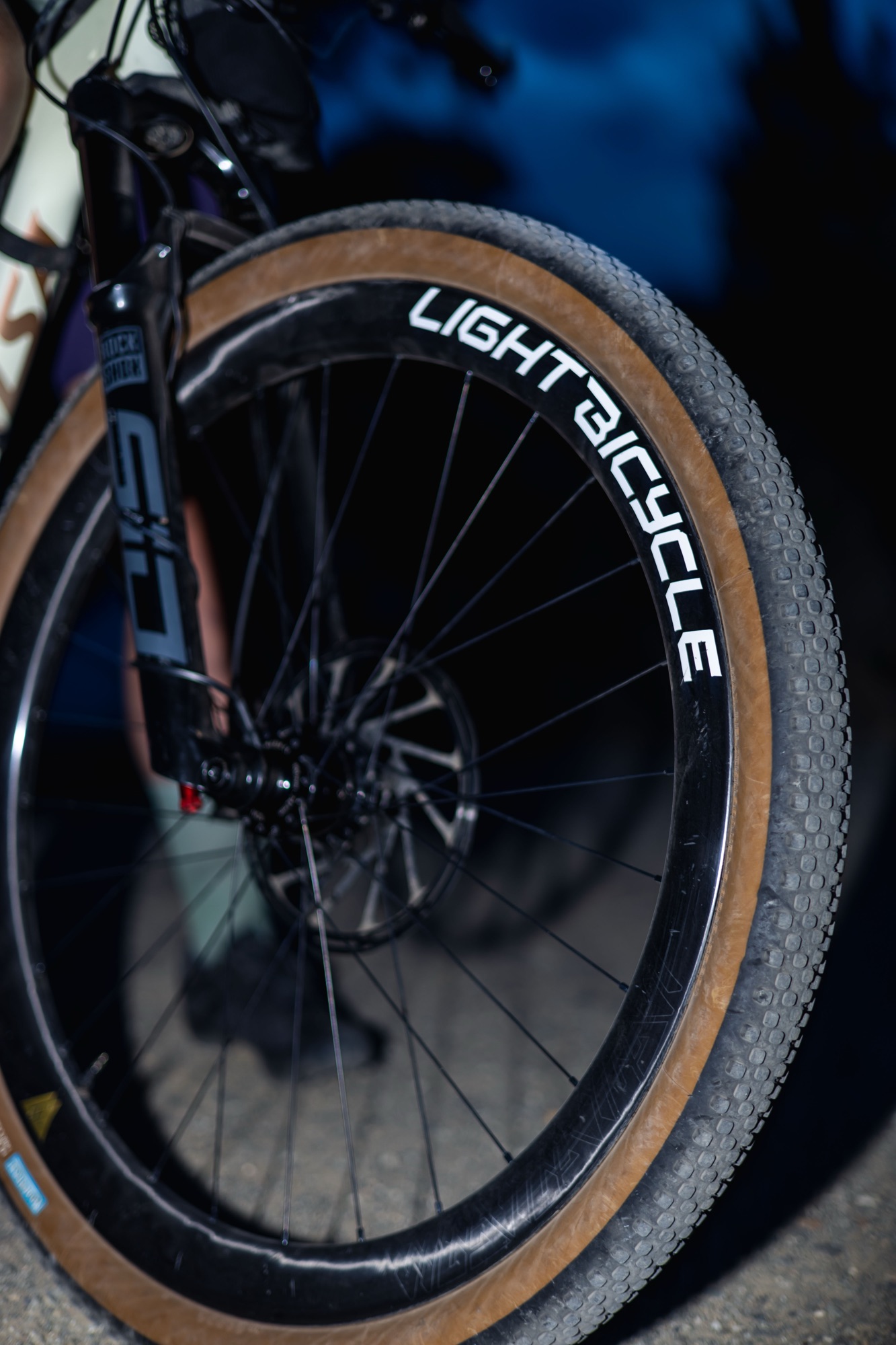
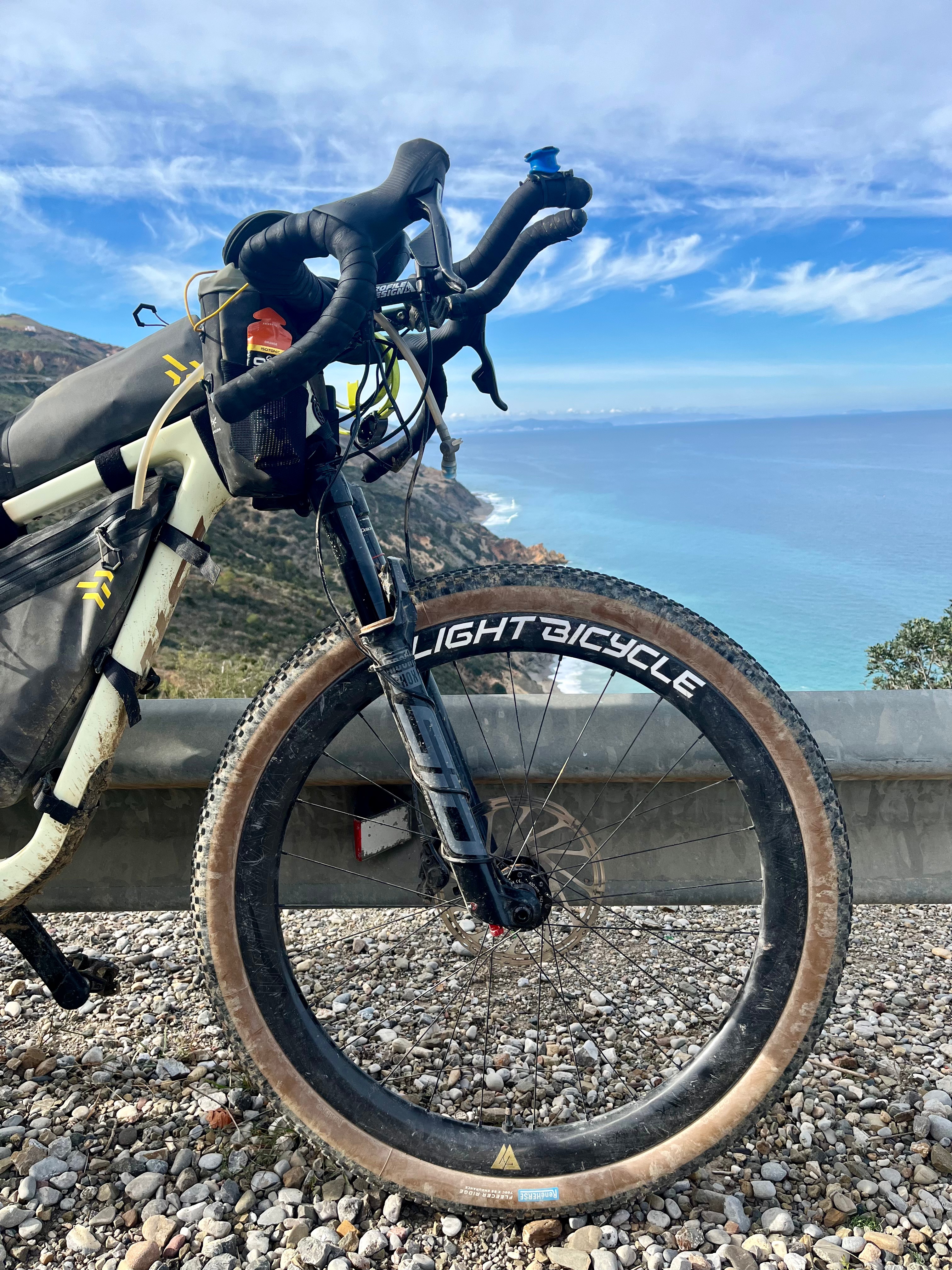
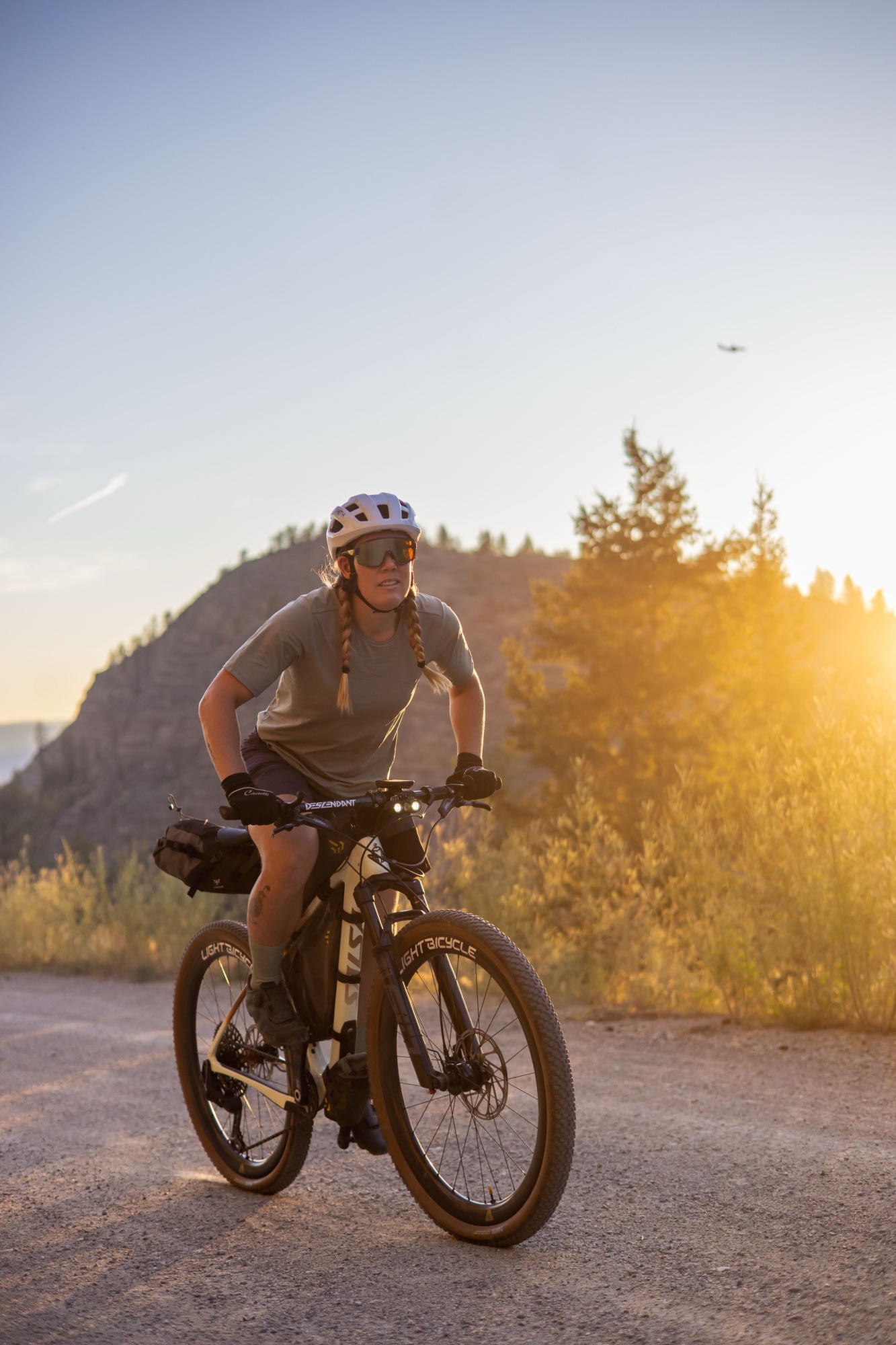
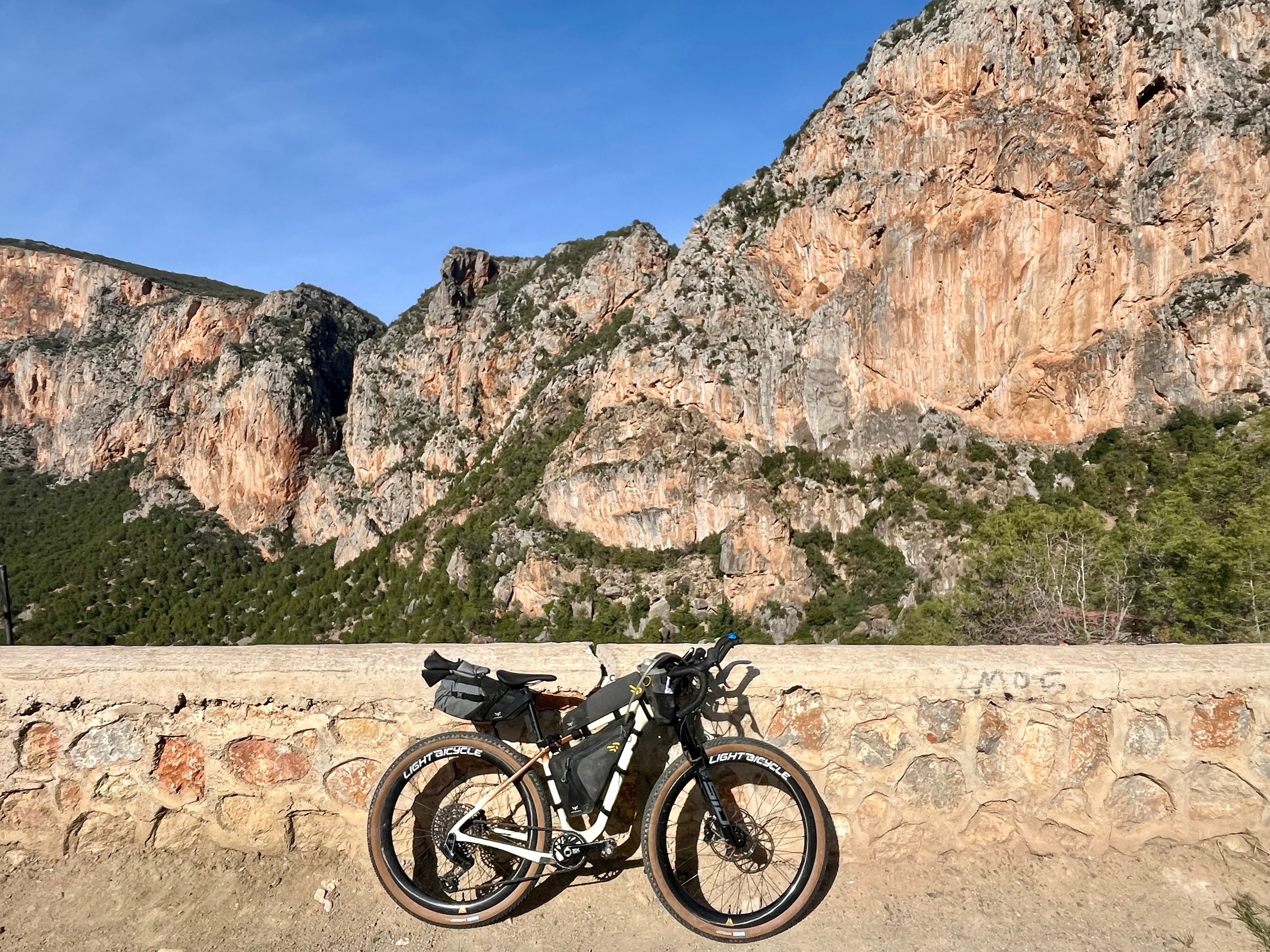
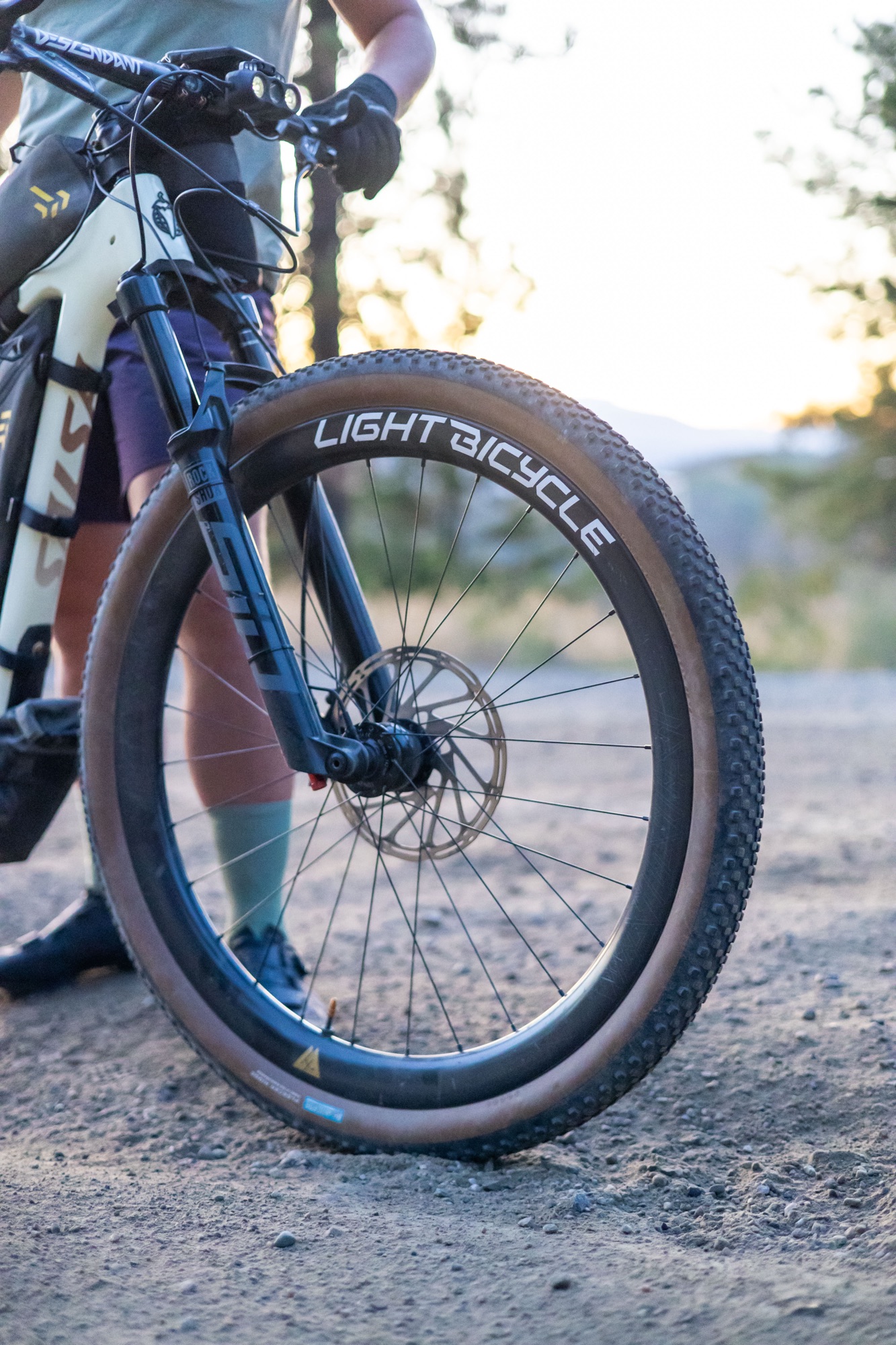
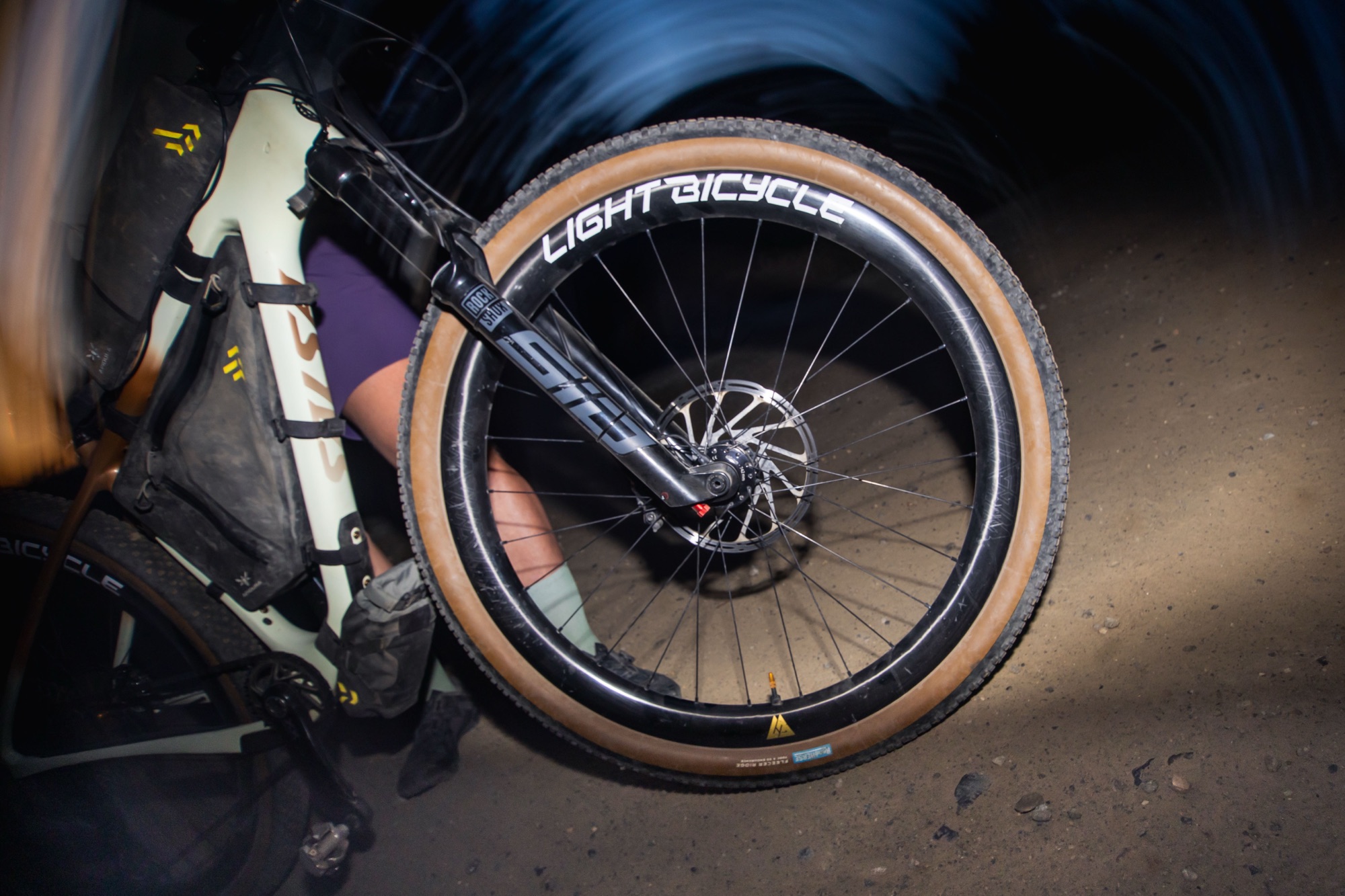
- Light Bicycle WG44 (Wide-Gravel) carbon rims
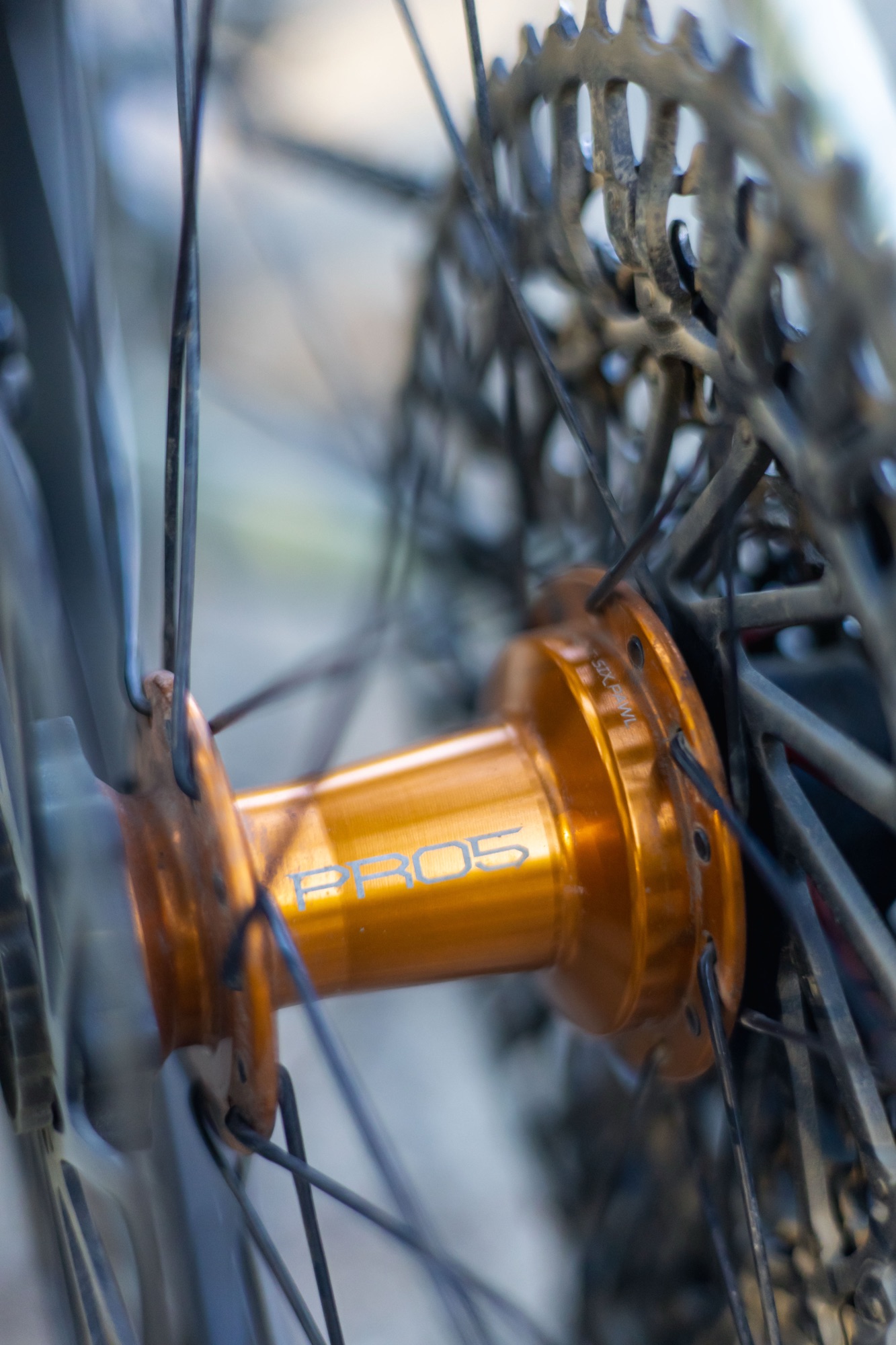
- SON dynamo (front) / Hope Pro 5 (rear)
- Sapim D-Light spokes, black alloy nipples
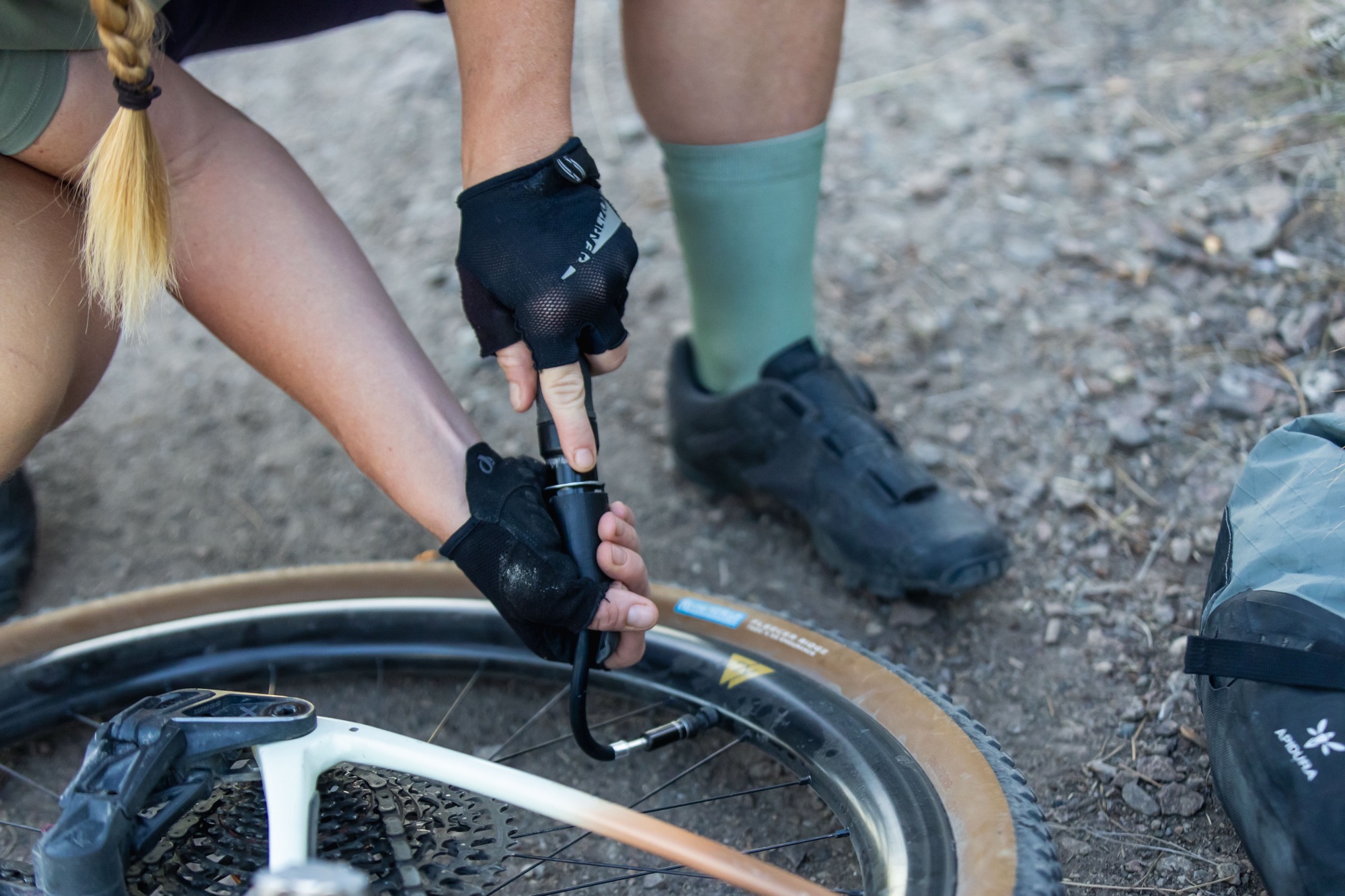
- Rene Herse Fleecer Ridge tubeless, 29” x 2.2”, with Rene Herse sealant
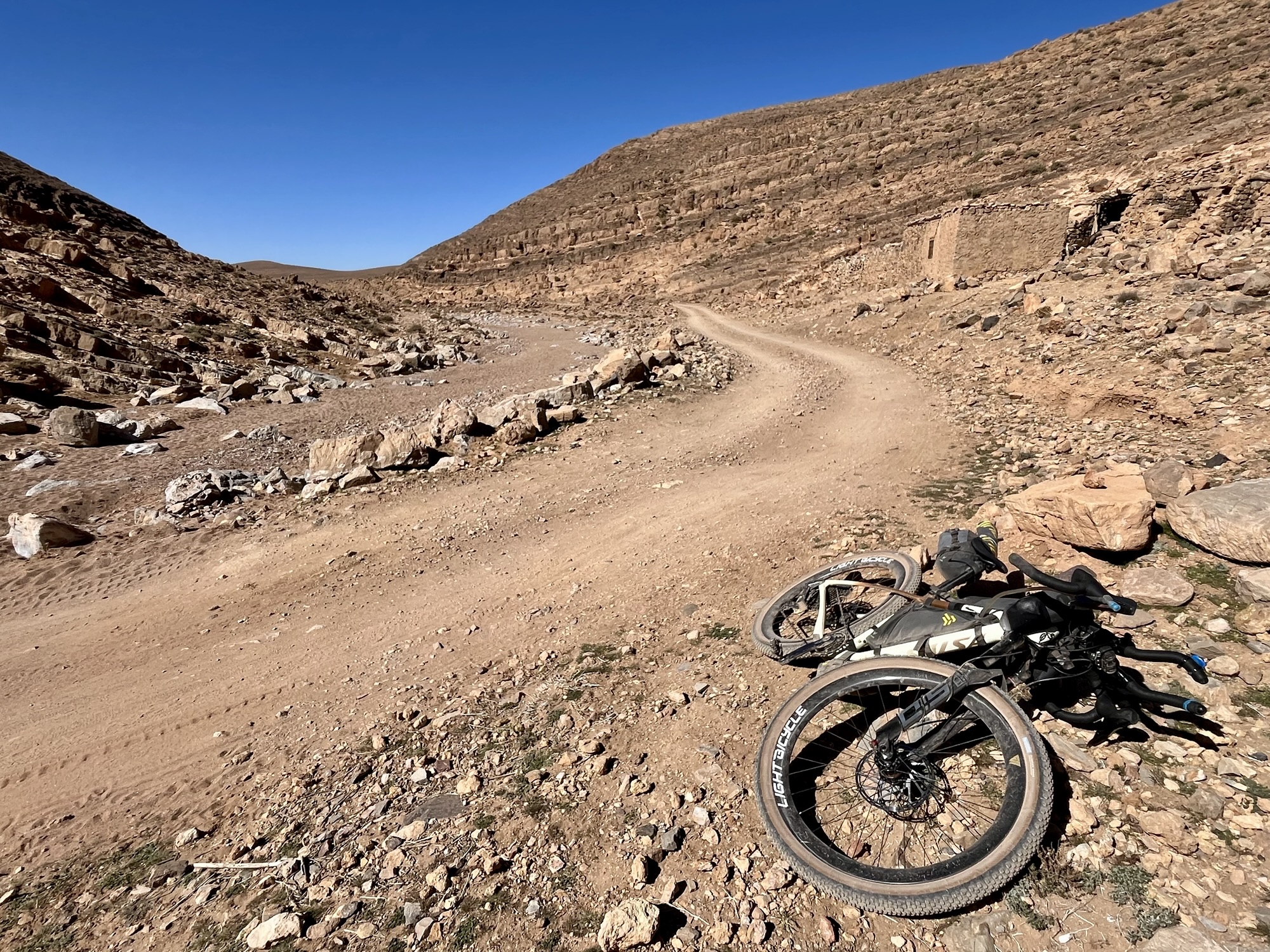
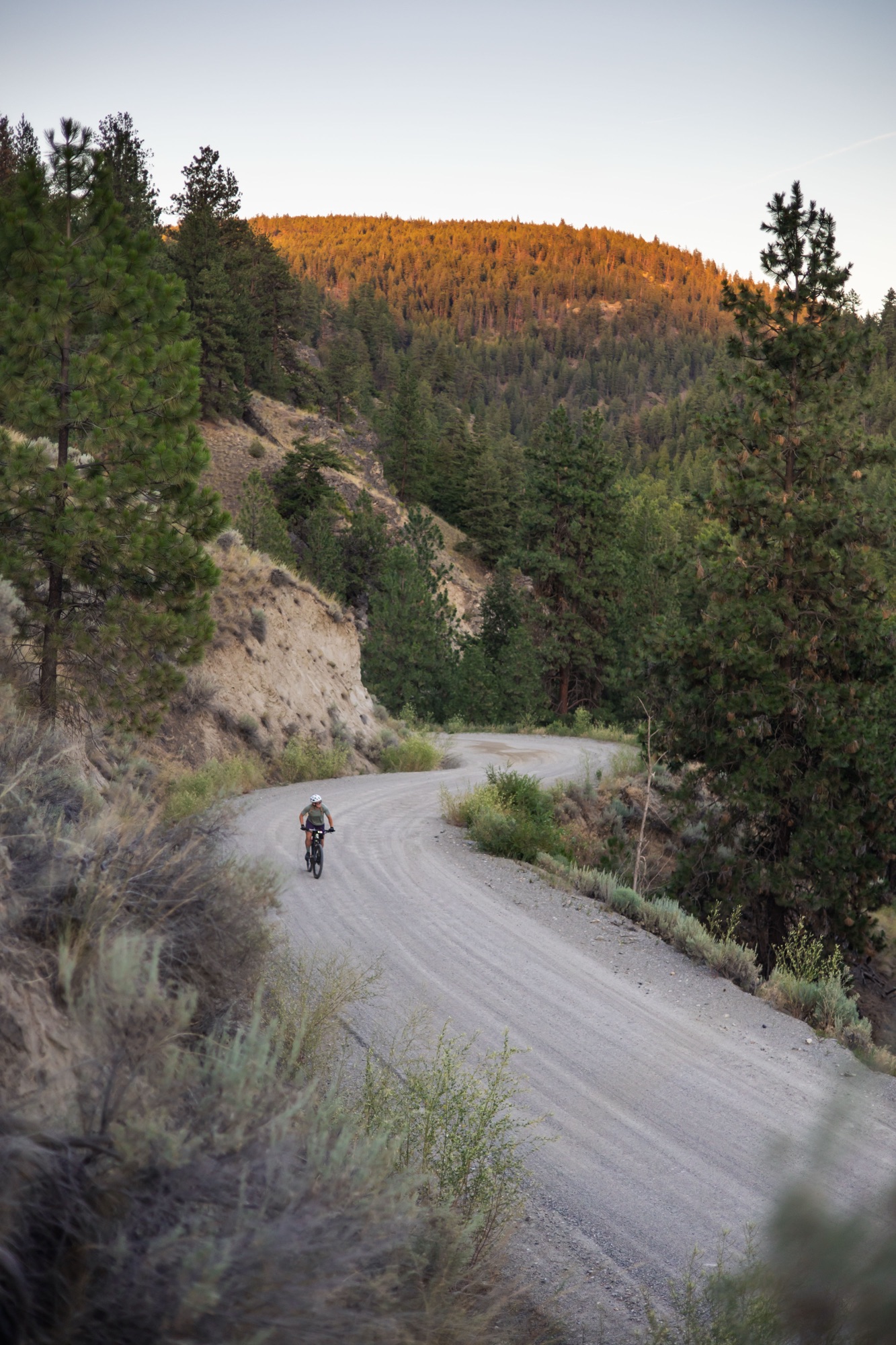
Why: WG44 rims balance weight and durability. Paired with Fleecer Ridge tires, they roll fast on gravel but dig in on technical terrain. Across the series, I rode sharp rocks and churned mud with just one puncture. Trust in the bike is critical when conditions are uncontrollable.
Suspension & Seatpost
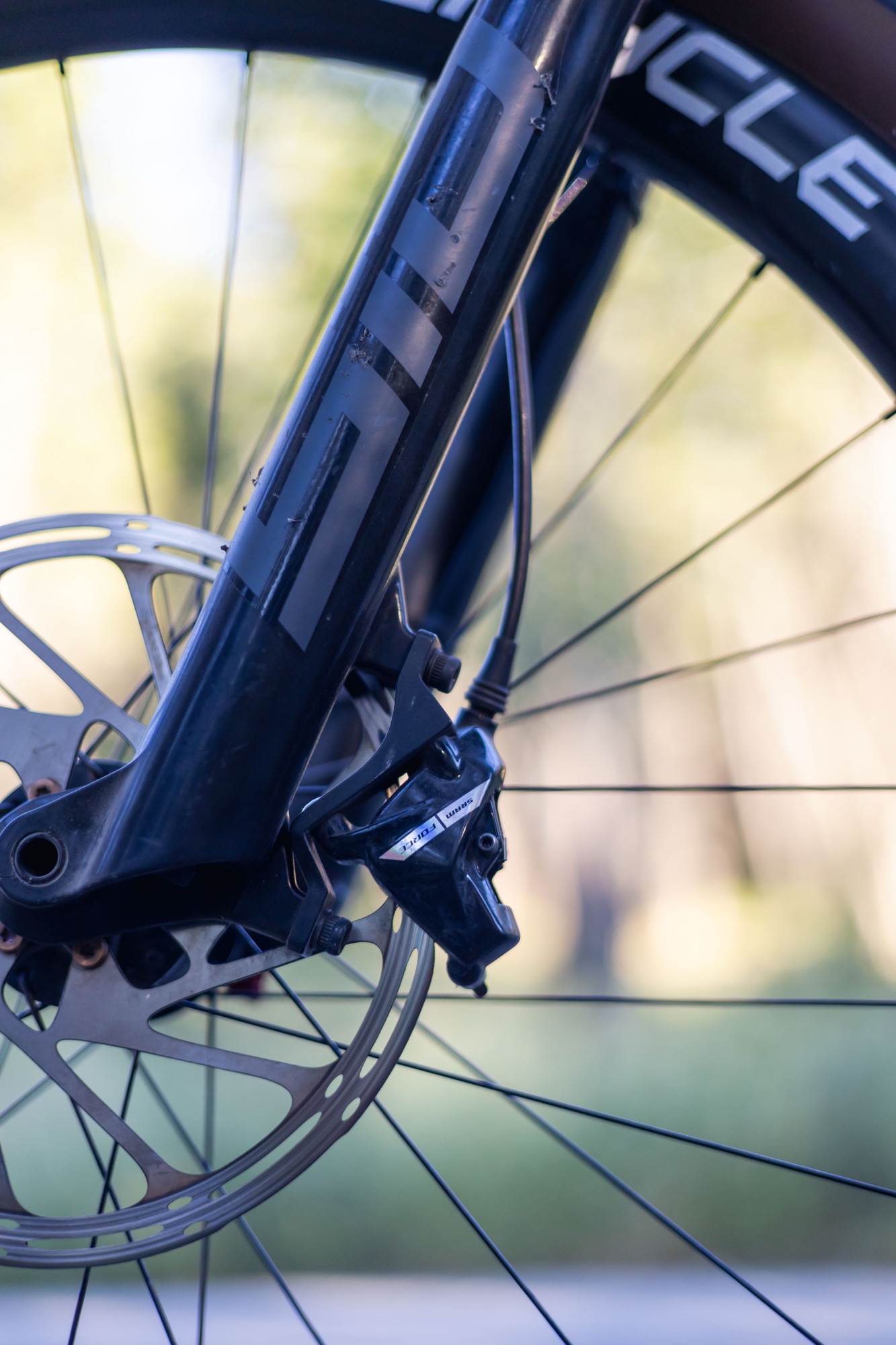
- RockShox SID Select 3P fork (120 mm travel)
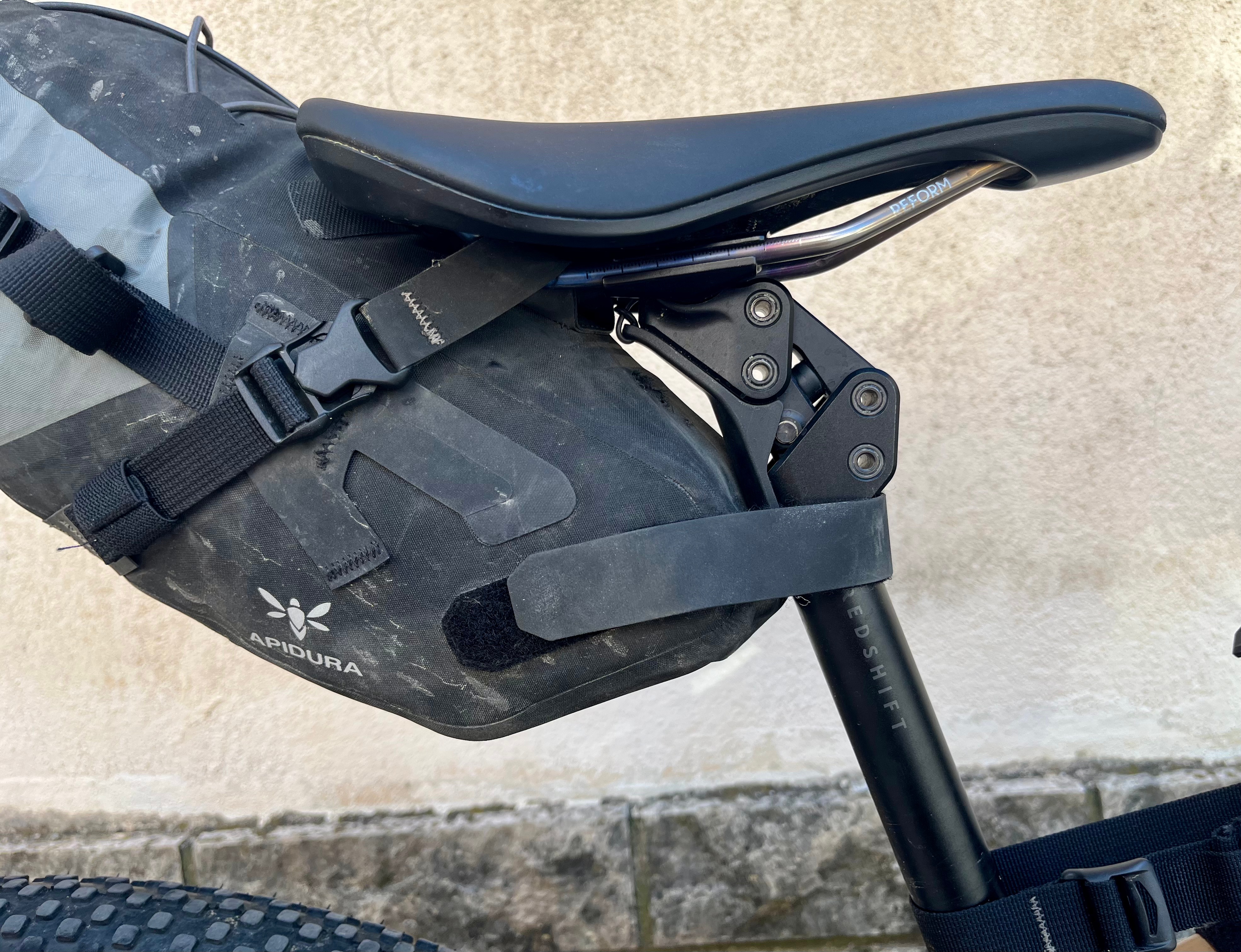
- Redshift Sports ShockStop PRO Suspension Seatpost
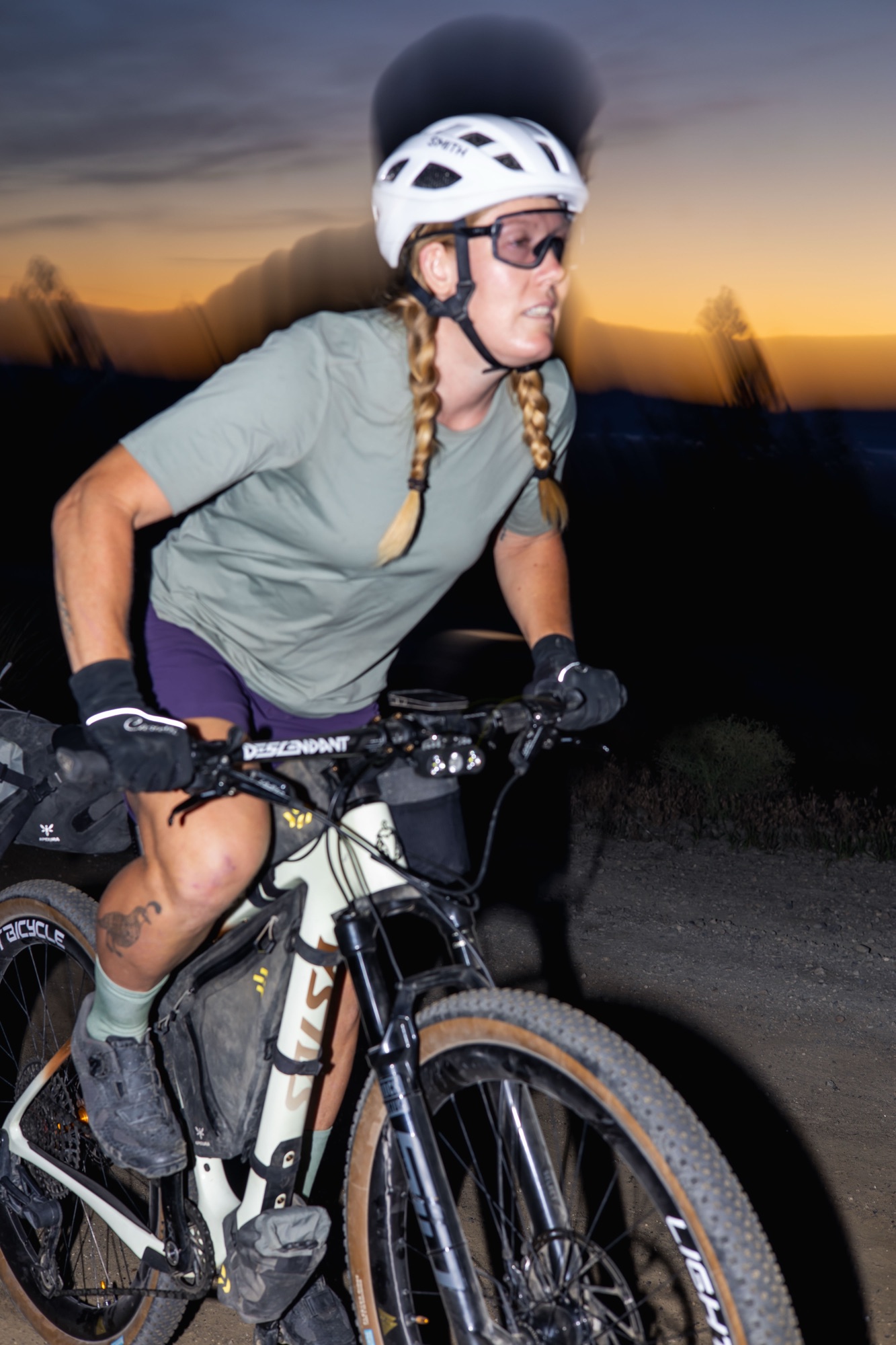
Why: Suspension smooths washboard, rocks, and trail chatter, keeping the bike stable and my body fresher. Fork settings—open, pedal, locked—allowed quick adaptation to changing terrain. Even with a slightly precarious remote mount on the aerobars, the suspension helped me stay upright, descend rough sections with control, and maintain momentum.
Dynamo Hub & Lighting
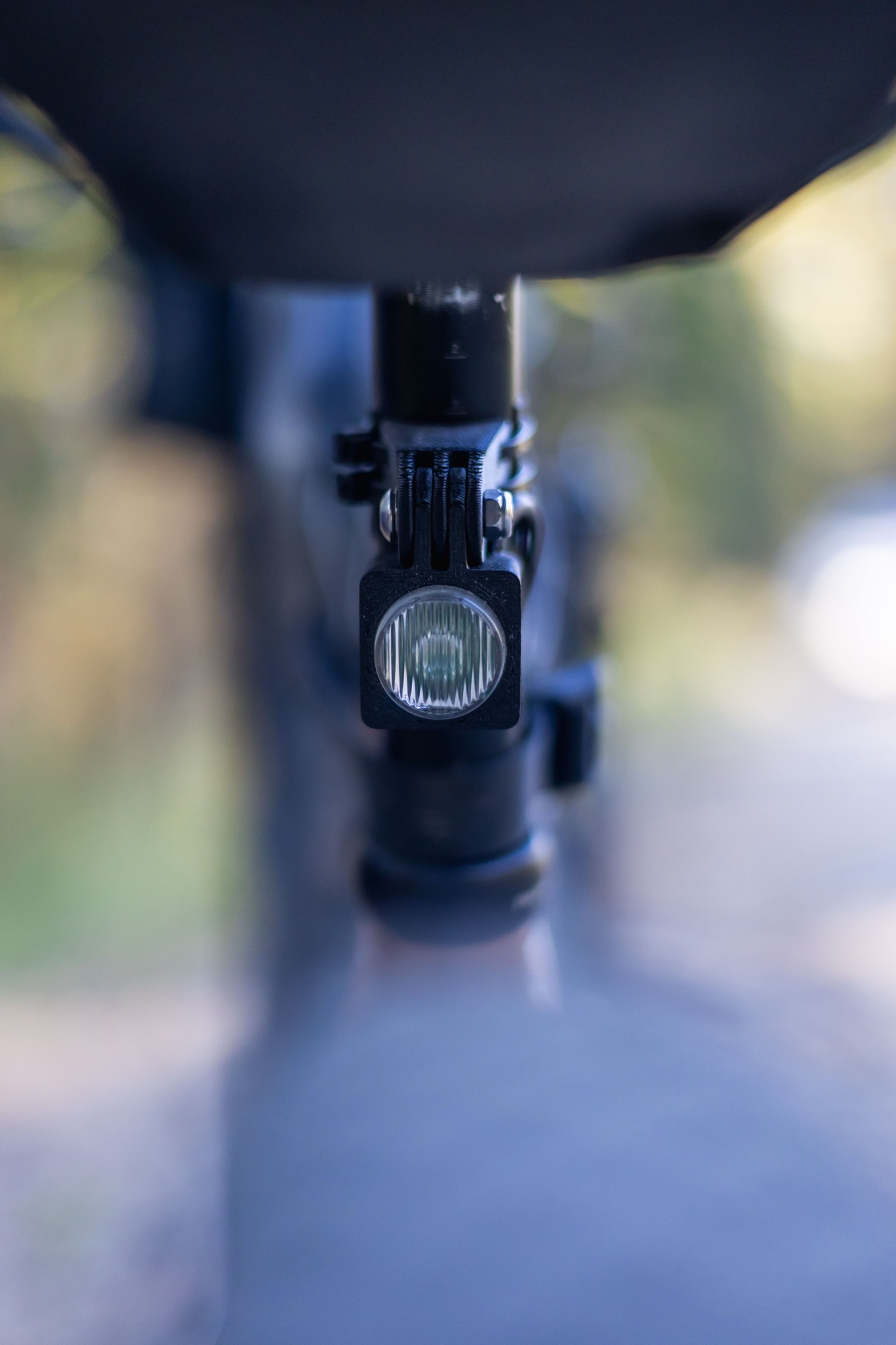
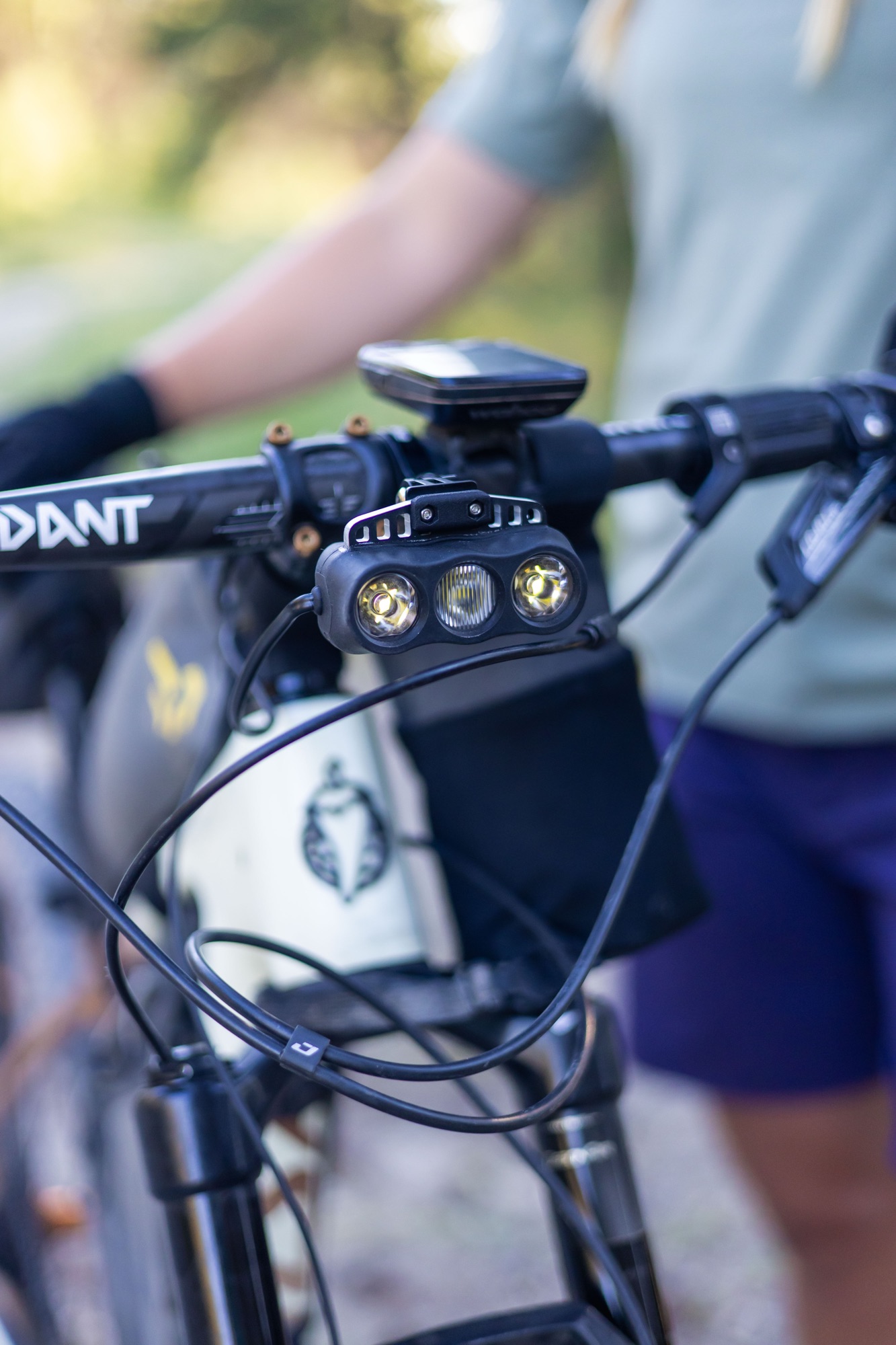
- SON hub paired with kLite ULTRA race lamp and rear Qube
- kLite Micro USB charger for electronics
- Petzl Headlamp (Silk Road), Outbound Lighting Hangover (Atlas & Hellenic)
- Two power banks: 5,000 mAh + 6,000 mAh
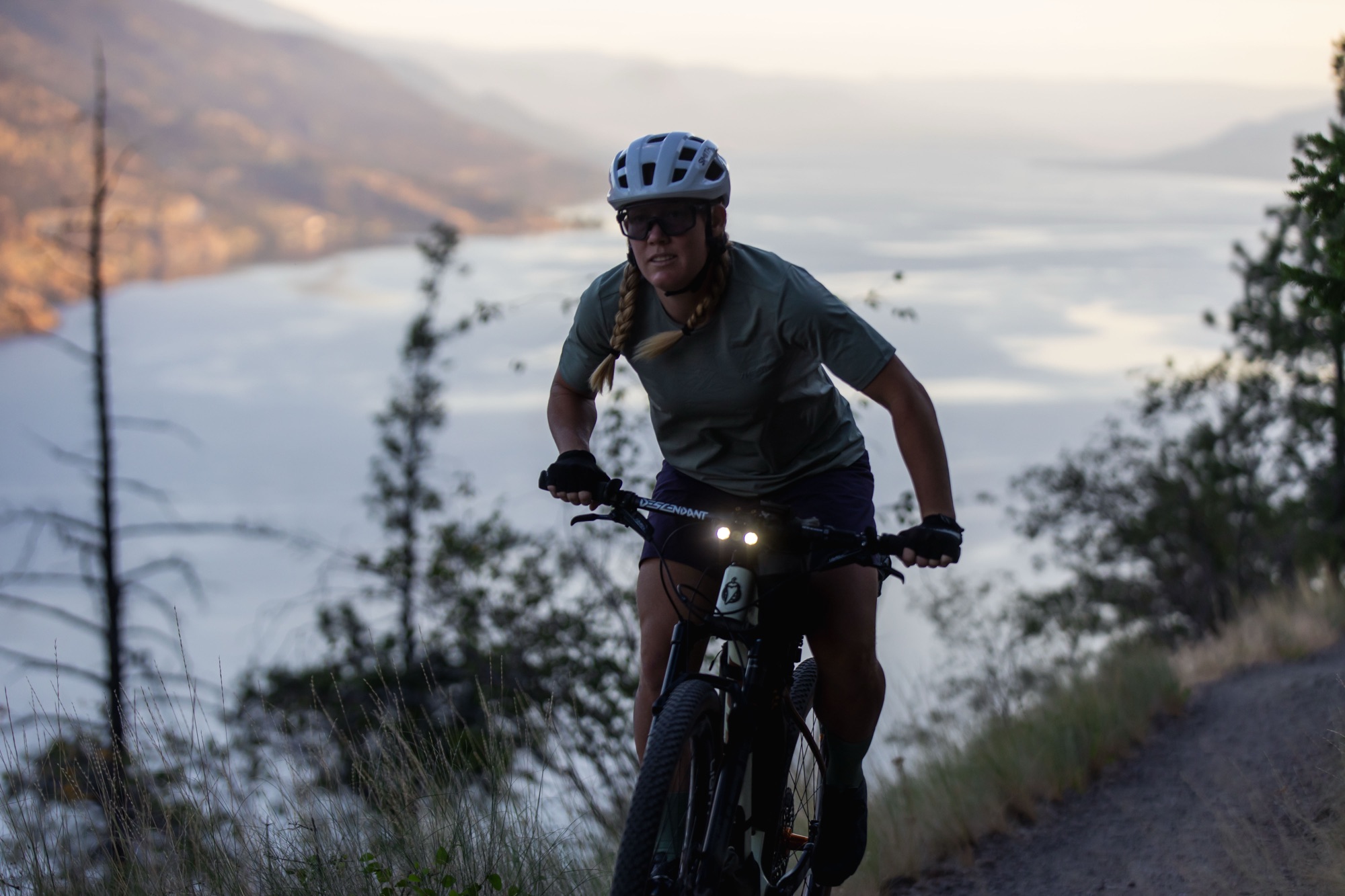
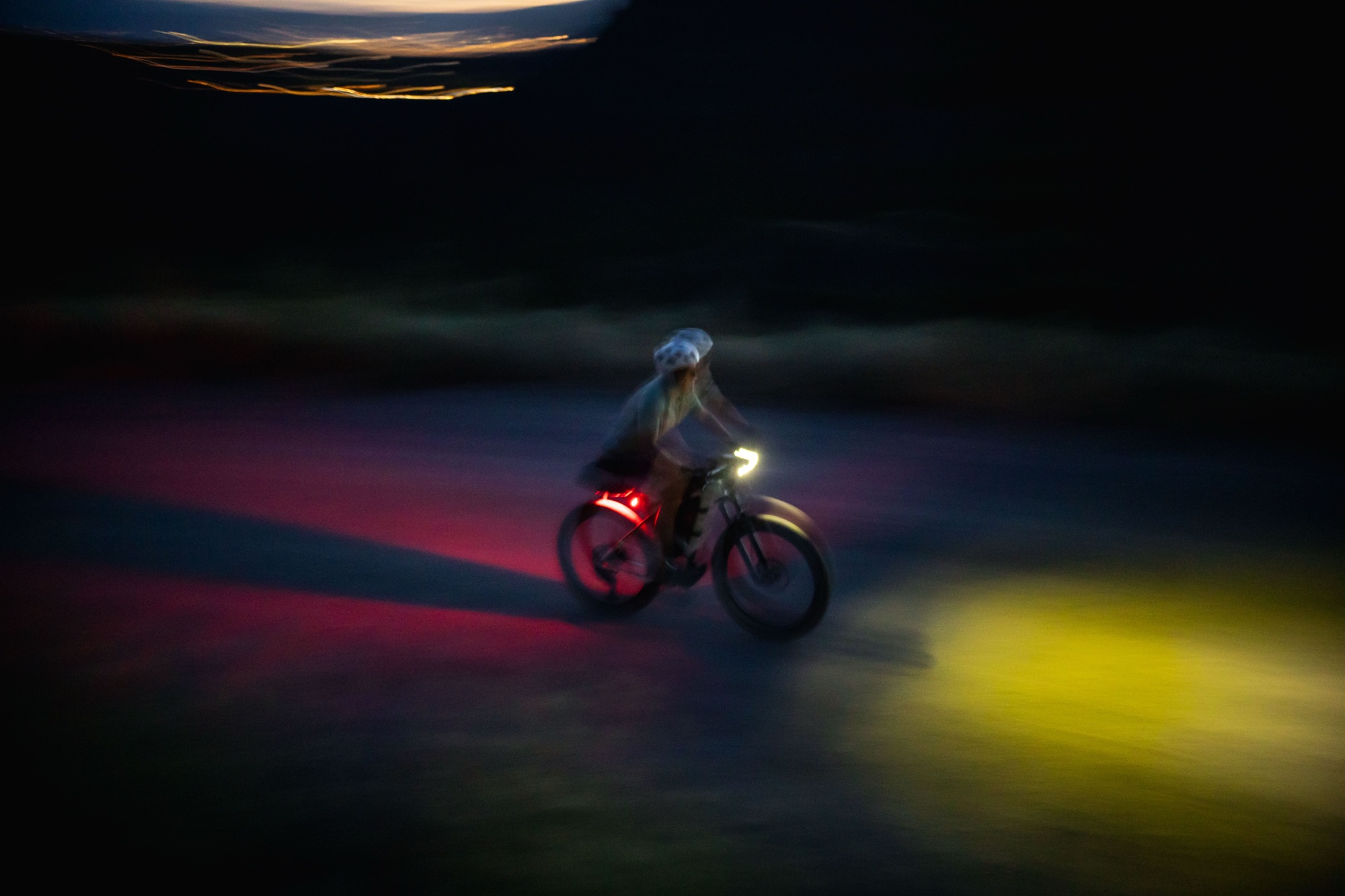
Why: Reliable power for long nights and remote multi-day racing is essential. The dynamo and kLite lights kept me visible, while USB charging and extra power banks ensured navigation, GPS tracking, and phone stayed operational.
Packing & Organization
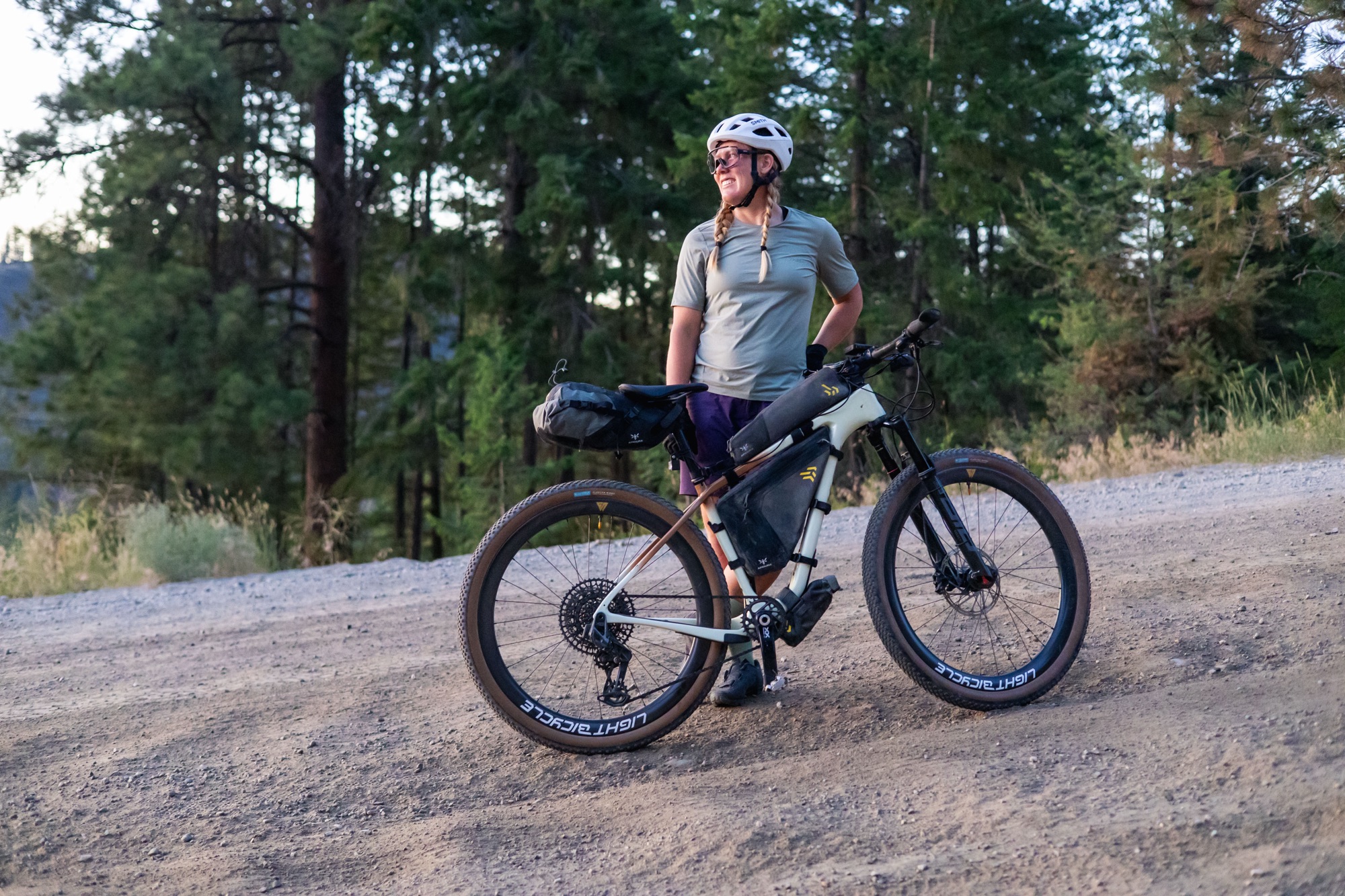
- Apidura Backcountry Series packs: 1.8L top tube pack, 6L seat post pack, 4L full-frame pack, 1L down tube pack, 2X 1.3L stem packs, 7L front roll (Silk Road)
Why: Organization is critical on long days. Each bag had a purpose—nutrition, layers, tools, sleep kit—allowing adjustments and end-of-day camp setup with minimal faffing.
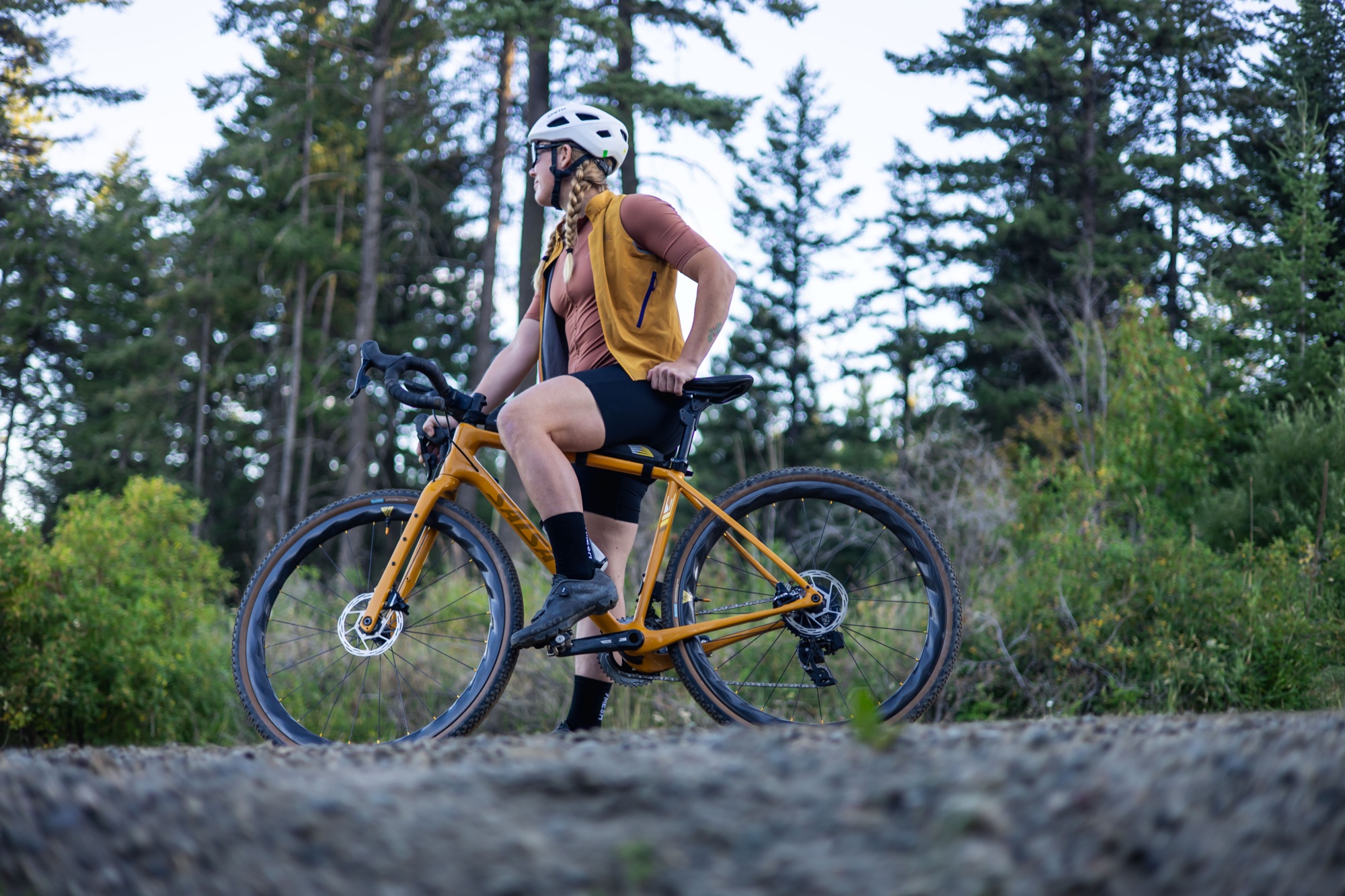
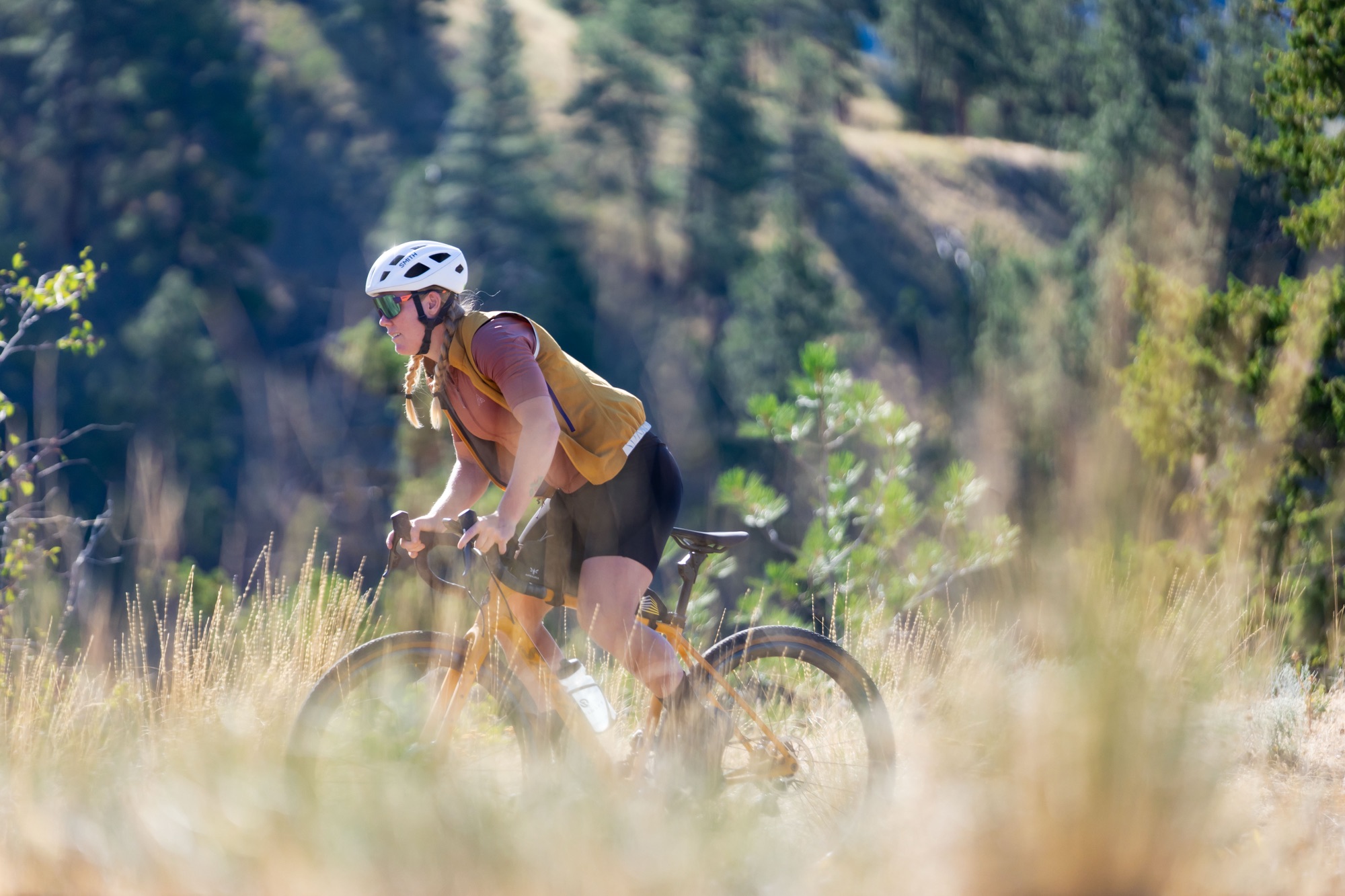
Bike Two: Build for Training and Adventure
Frame & Build
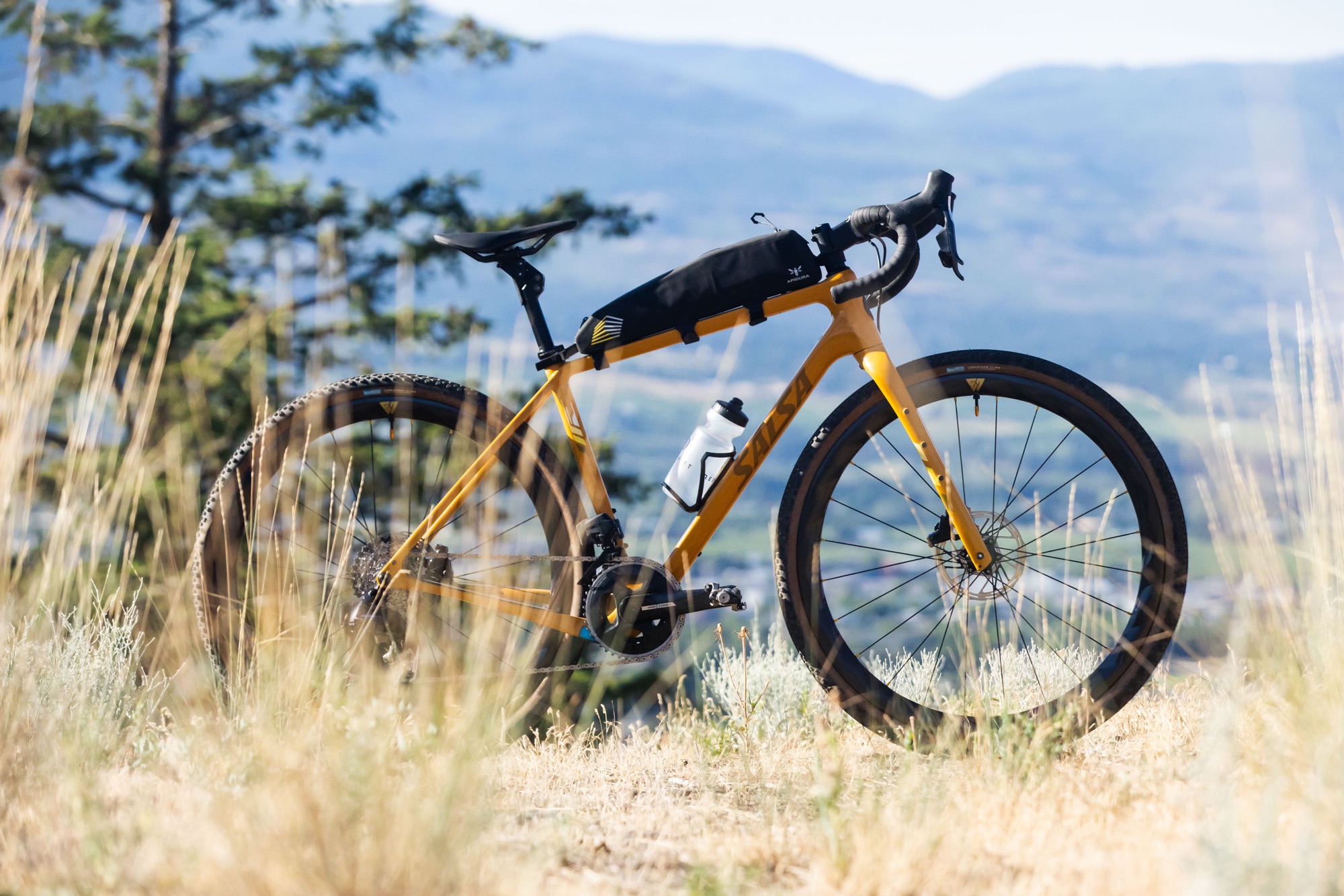
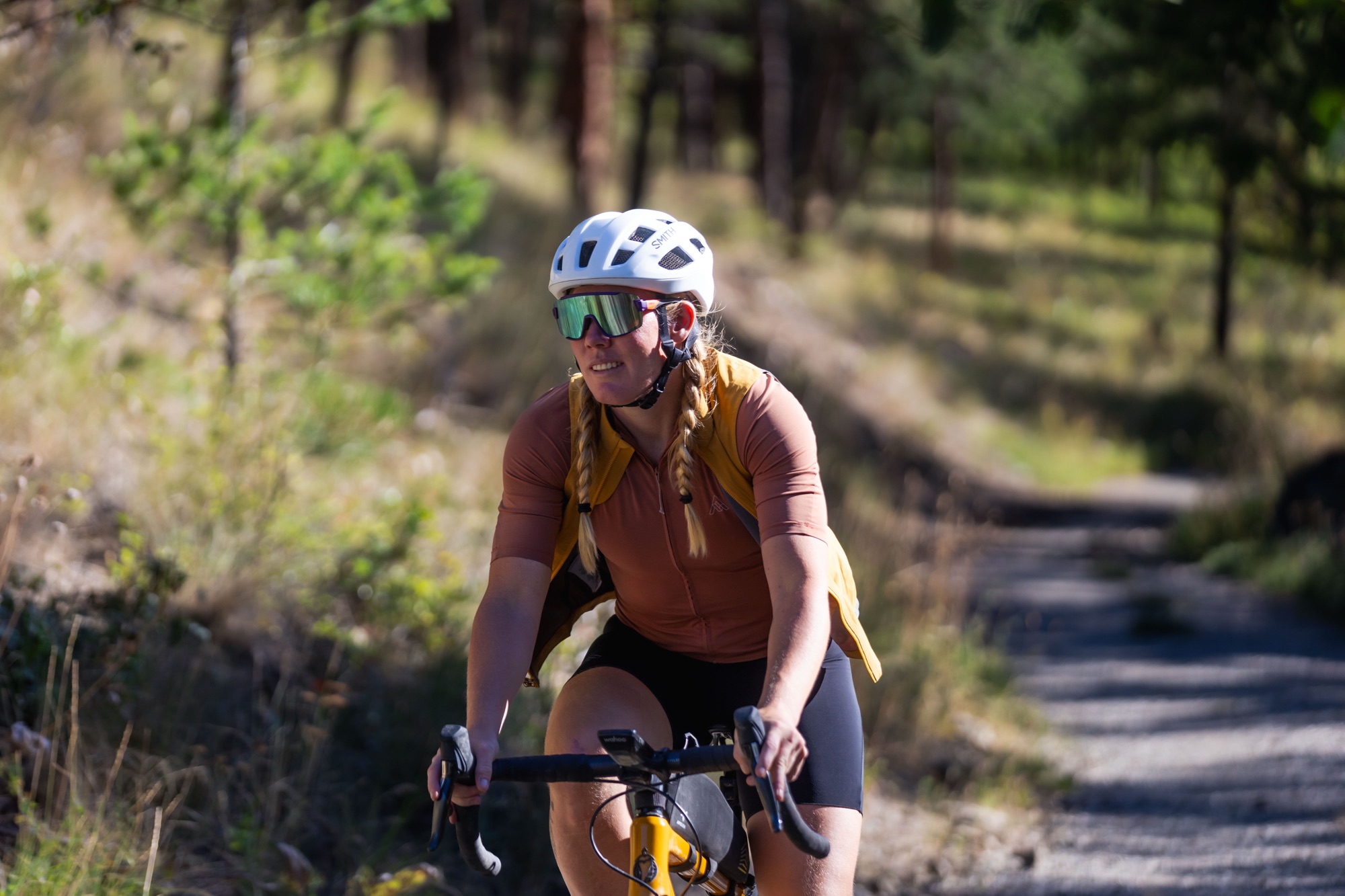
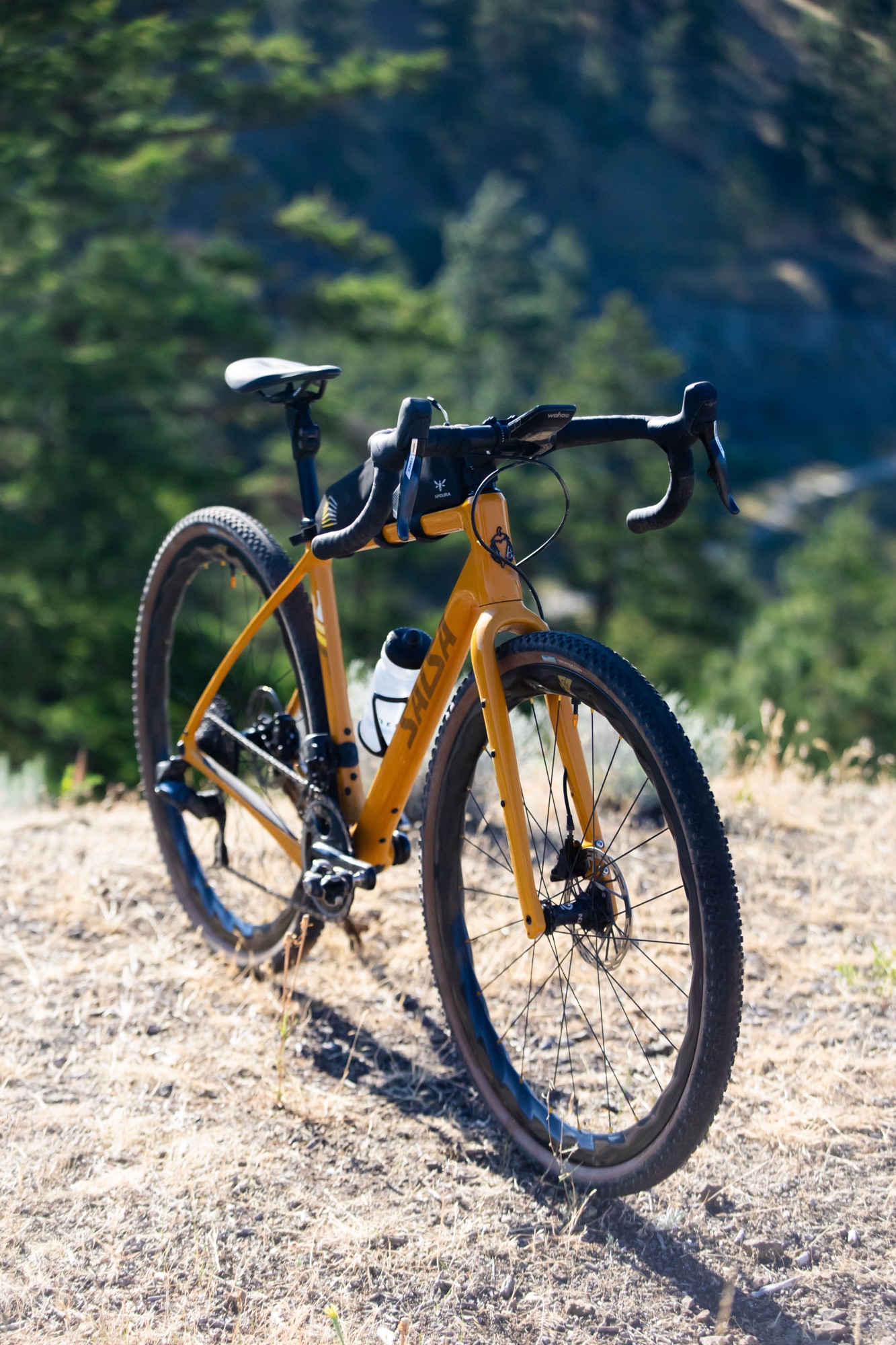
- Salsa Warbird C Force AXS Wide
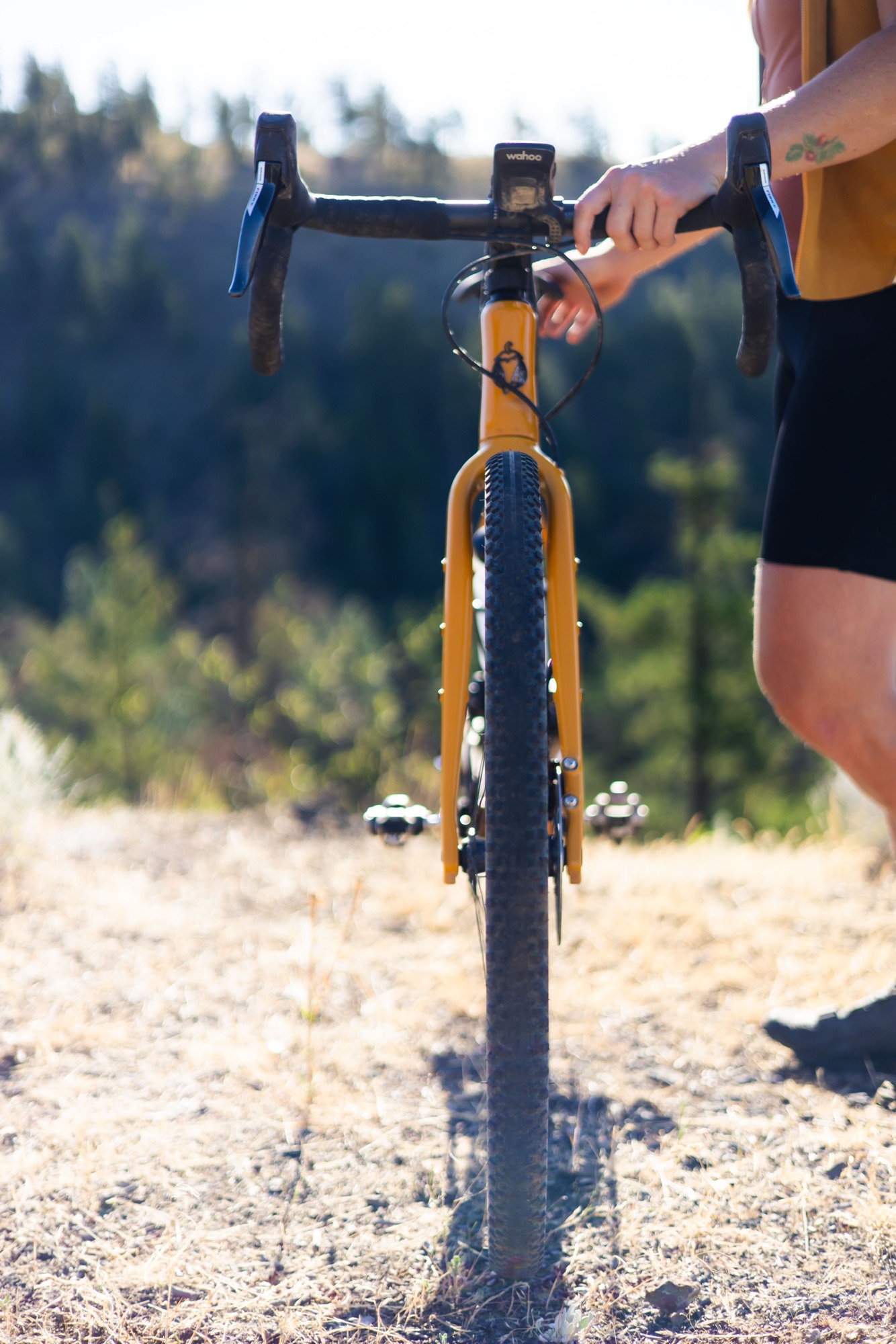
- Salsa Cowbell handlebars (carbon)
- Waxwing fork (carbon)
- SRAM Force Dub Wide, D2, 43-30t crankset
- SRAM XG-1270, 10–36t, 12-speed cassette
Why: The Warbird smooths trail chatter and handles climbs and flats efficiently. Reliable, versatile, and comfortable for long adventures.
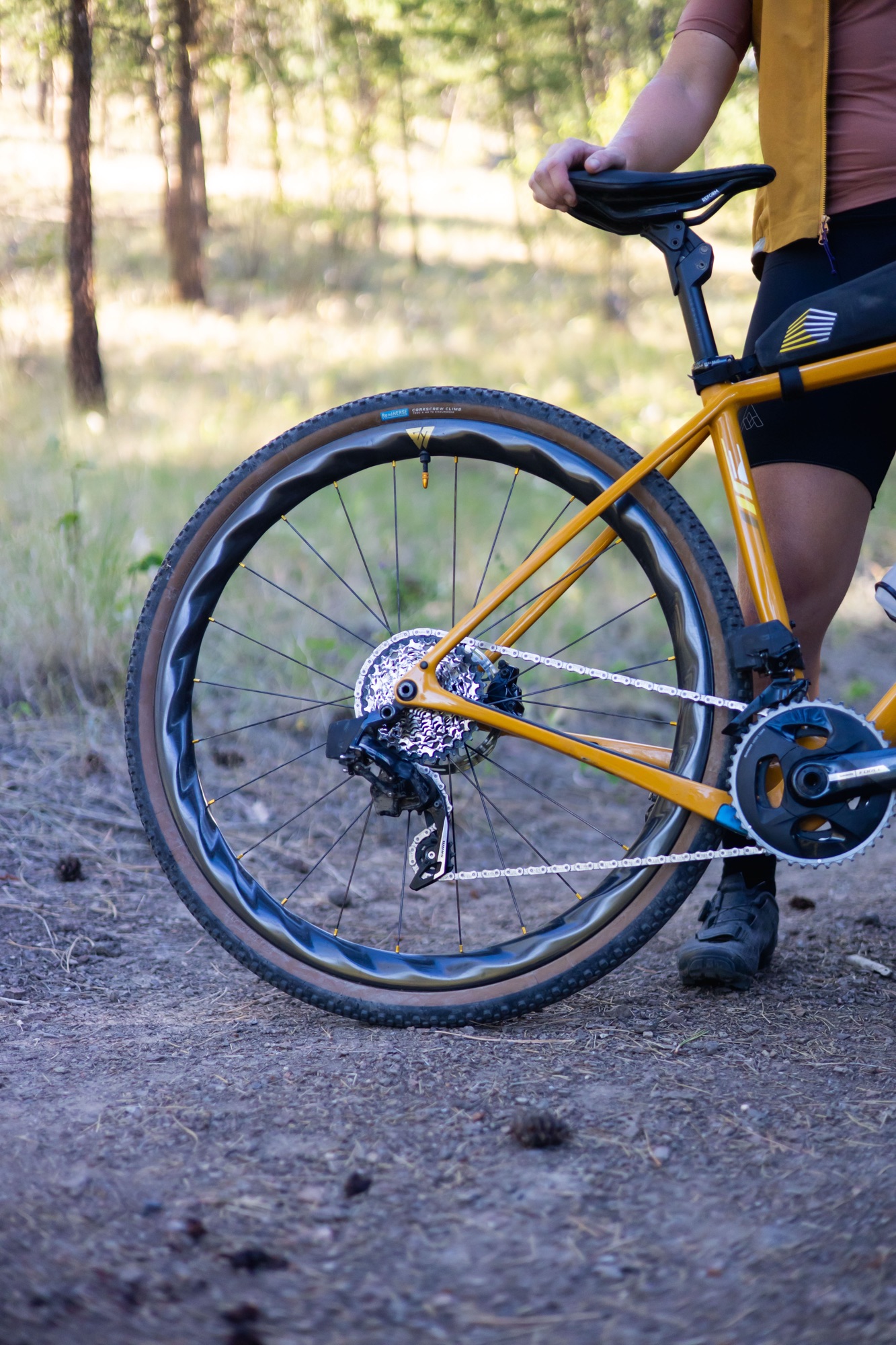
Wheels & Tires
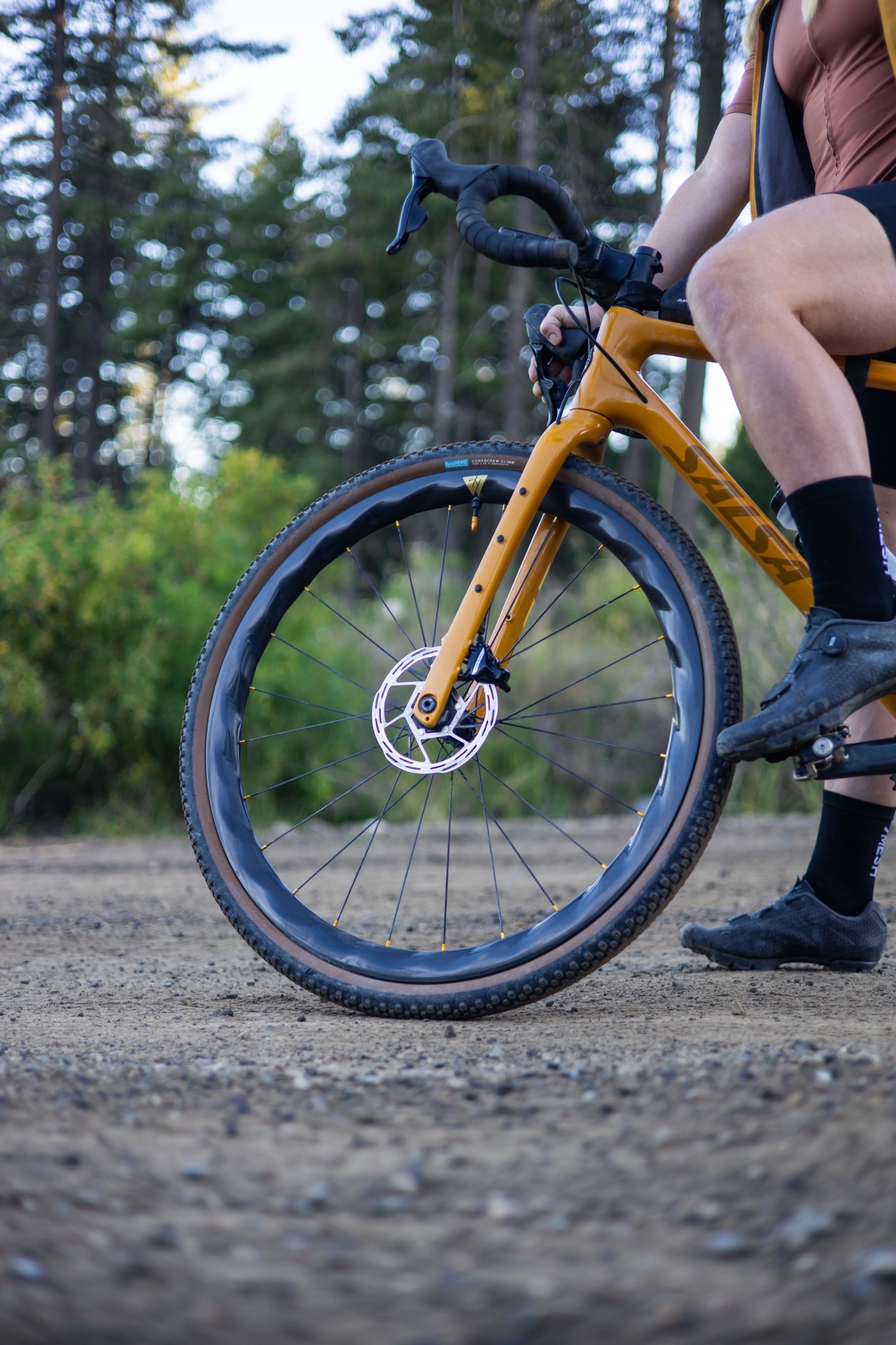
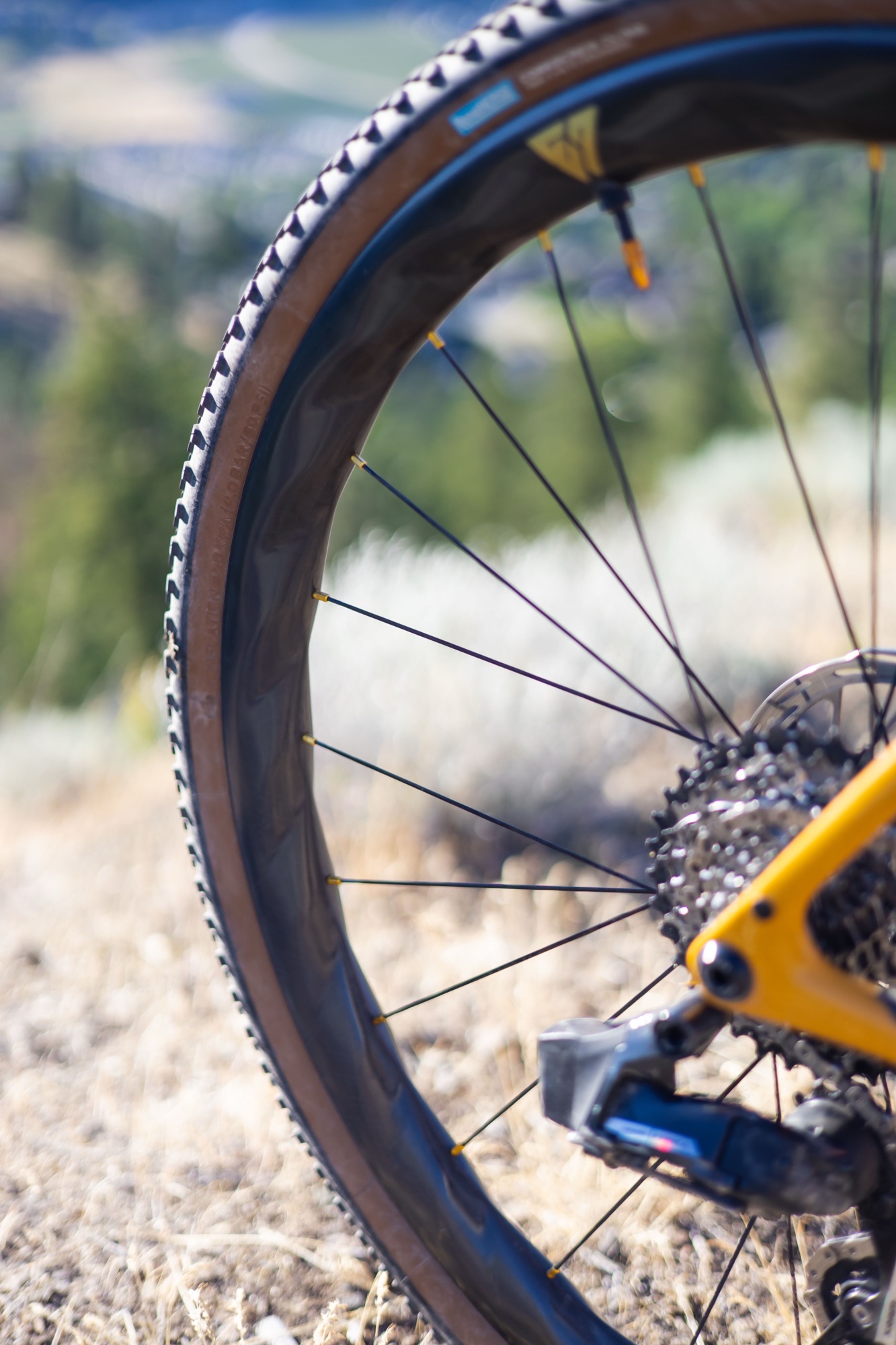
- Light Bicycle Turbo 40 carbon rims
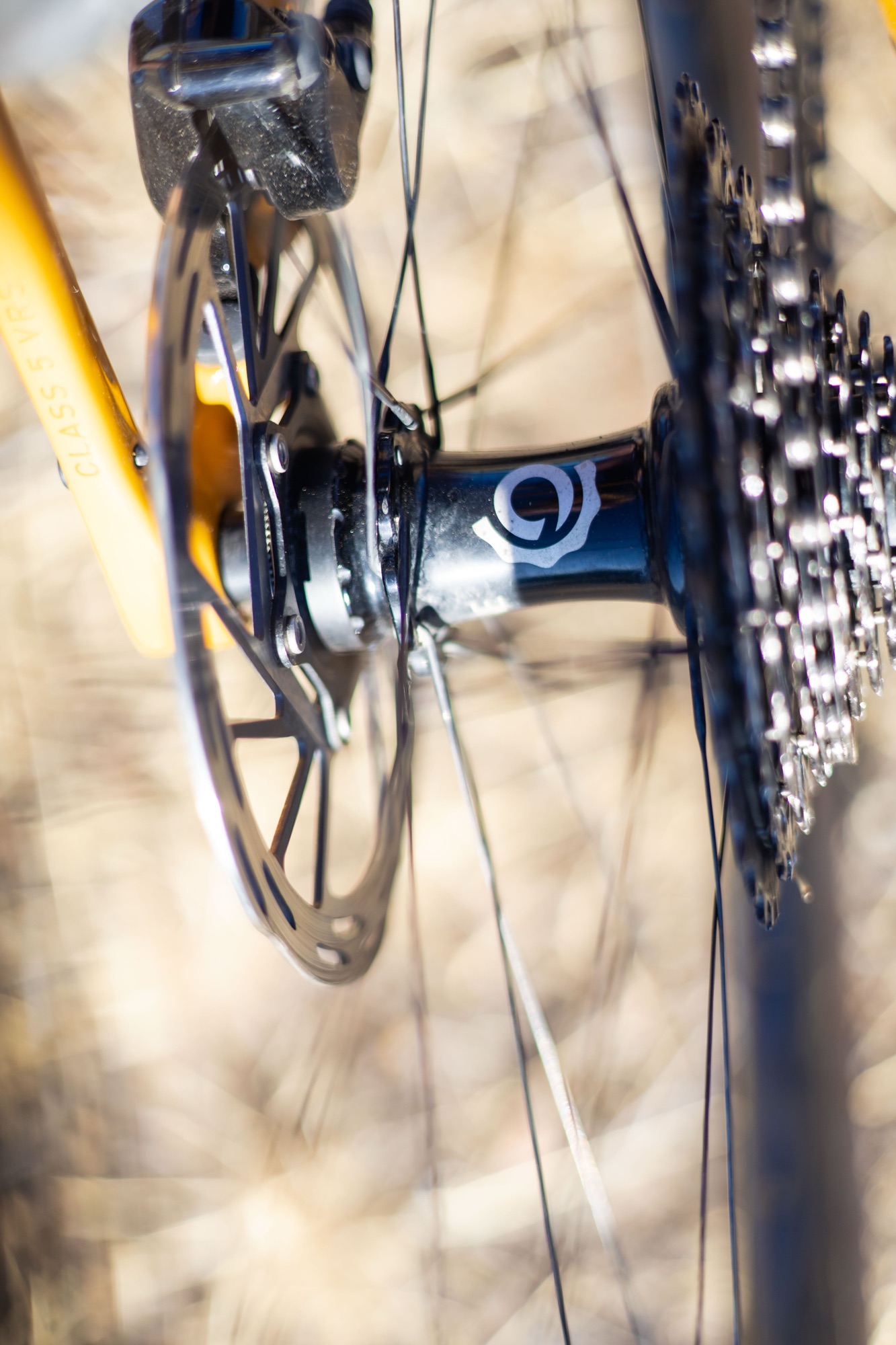
- Industry Nine SOLiX hubs
- Sapim CX Ray spokes with gold alloy nipples
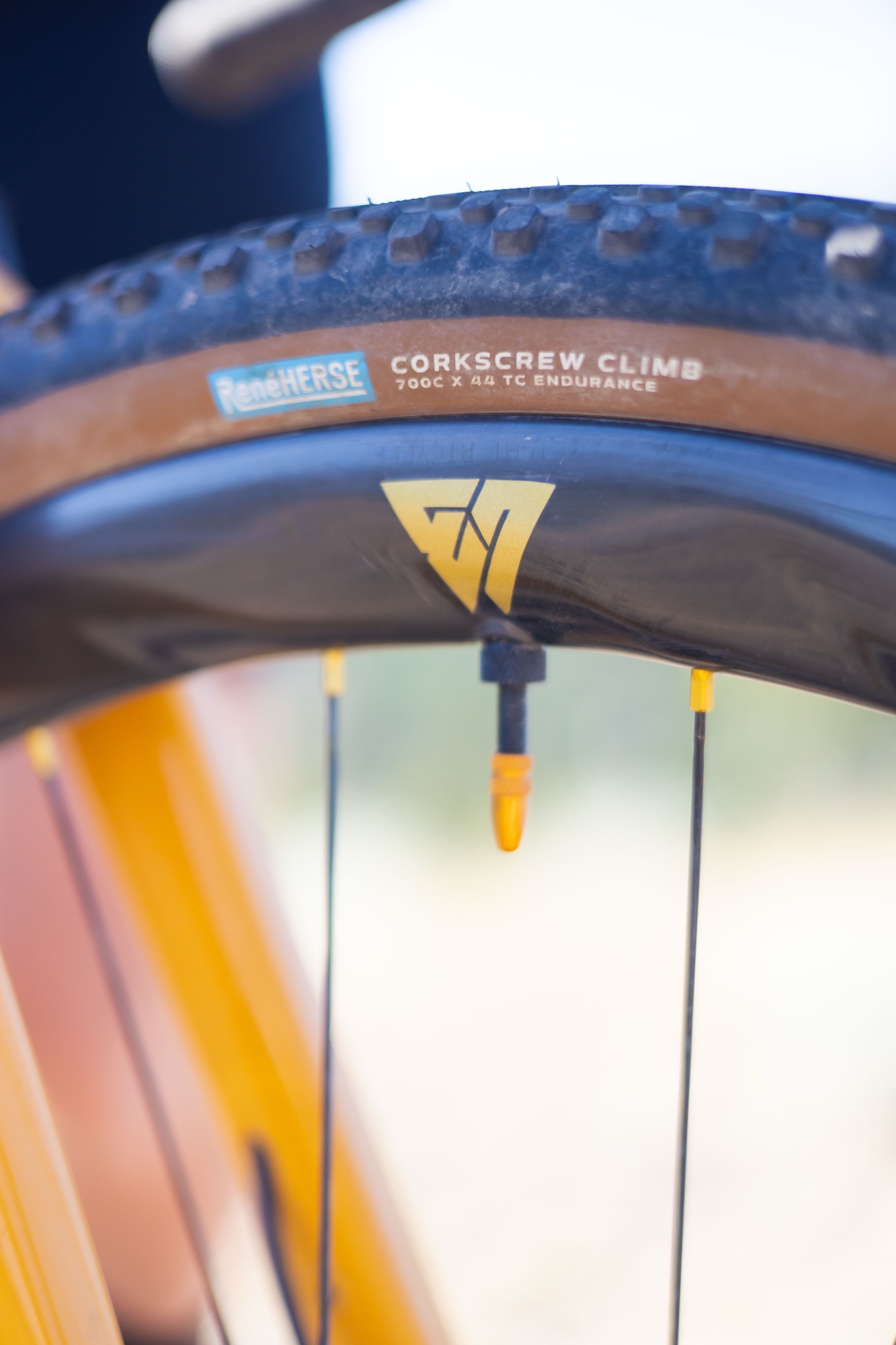
- Rene Herse Corkscrew Climb TC Semi-Slick, 700C x 44mm, with Rene Herse sealant
Why: Turbo 40 rims with 44mm Corkscrew tires balance speed, comfort, and durability. Wide carbon rims provide stable handling, and the tubeless setup prevents flats.
Suspension Stem & Seatpost
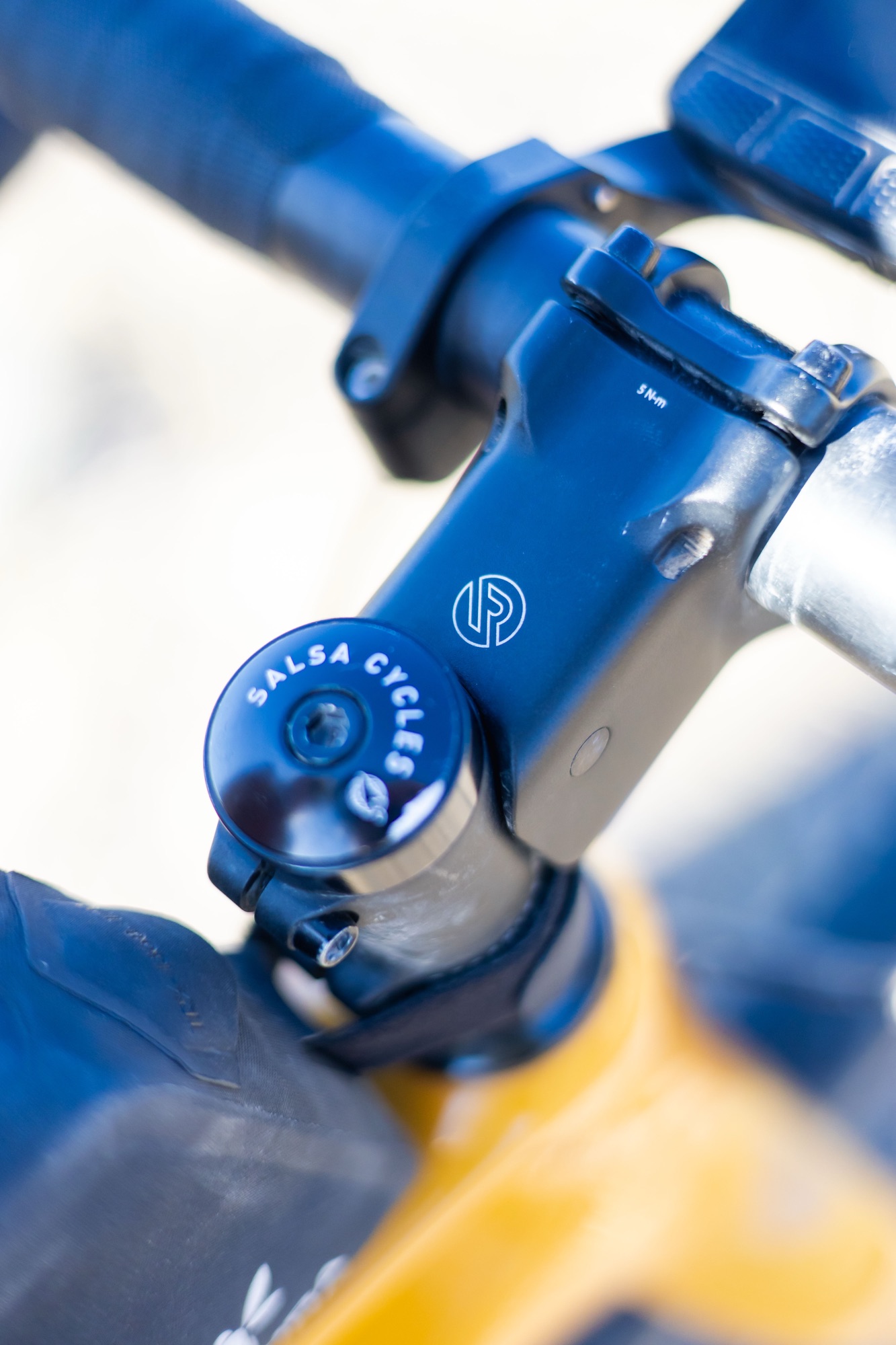
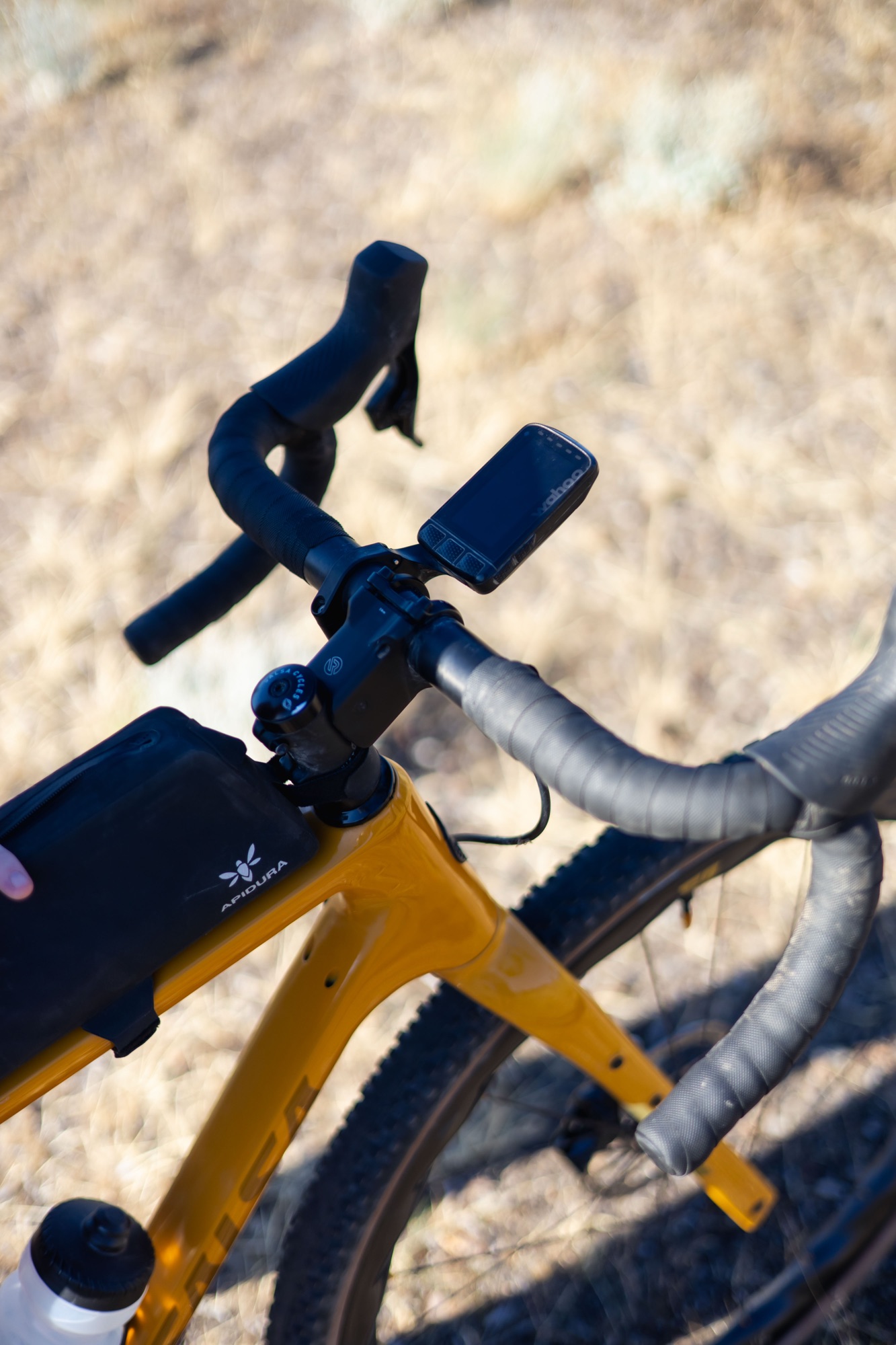
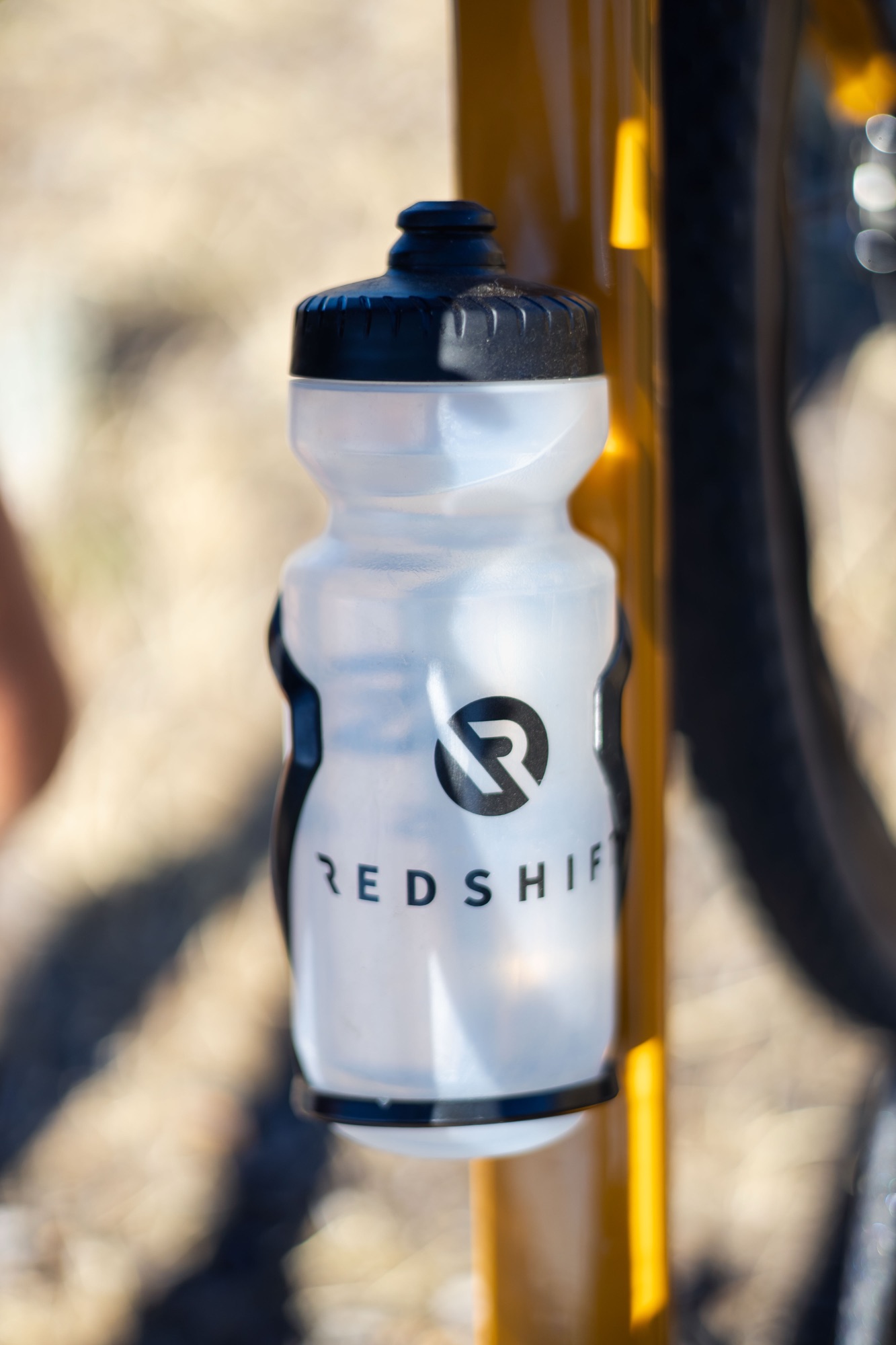
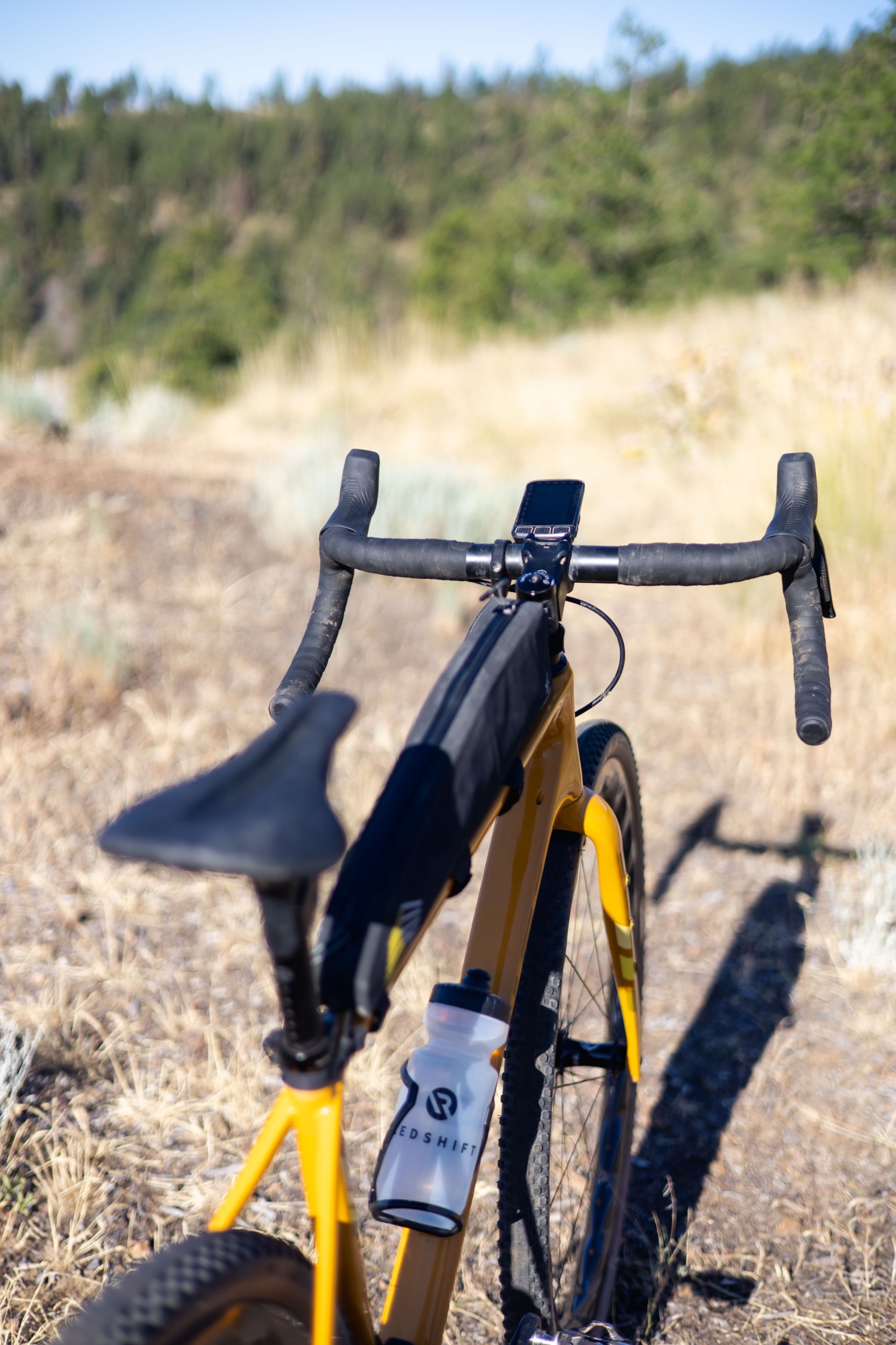
- Redshift Sports ShockStop Suspension Stem
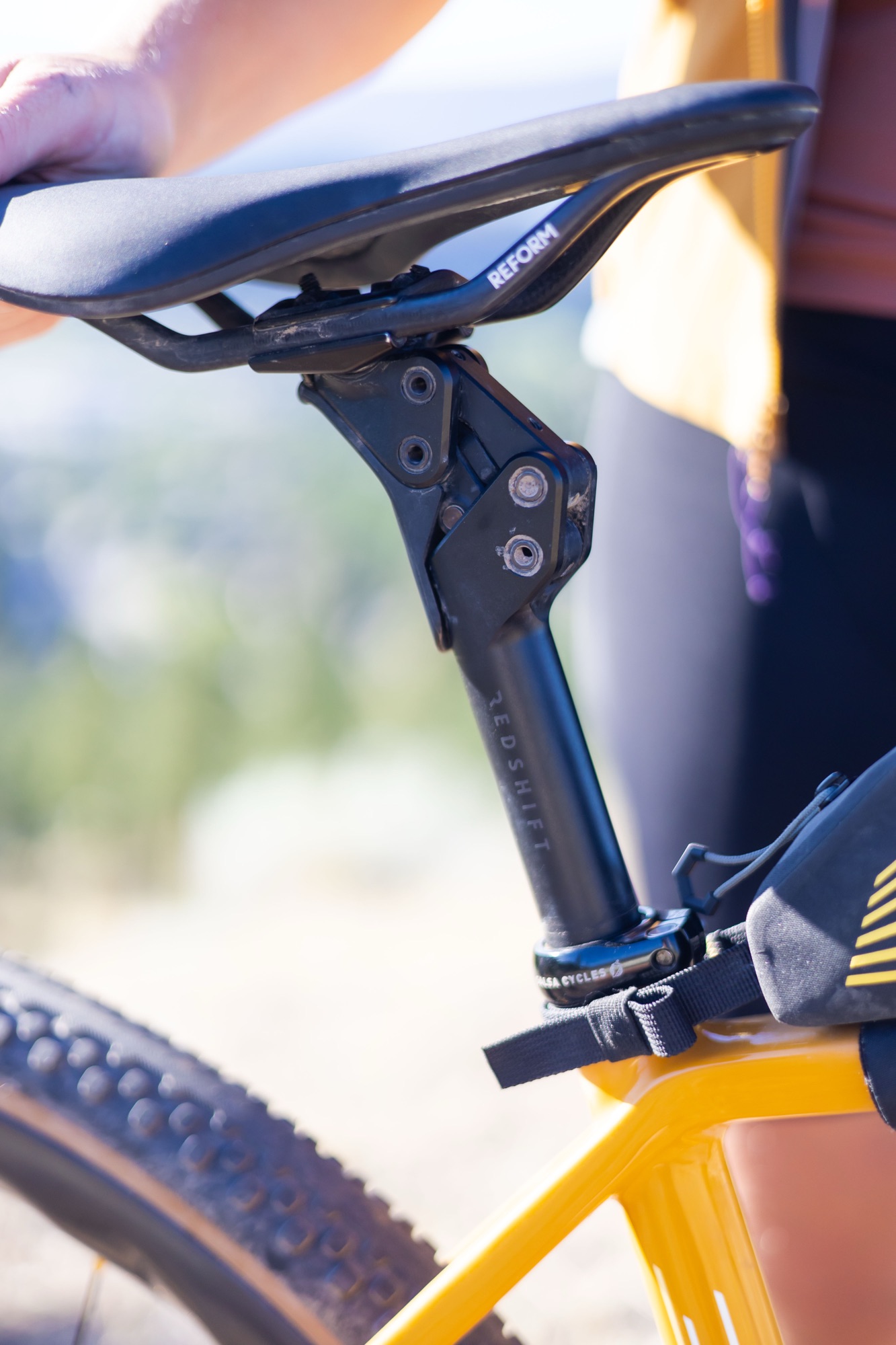
- Redshift Sports ShockStop PRO Suspension Seatpost
Why: A few millimeters of compliance make long rides easier. ShockStop stem and seatpost absorb vibration, reducing fatigue and keeping you comfortable over gravel and rough trails.
Packing & Organization
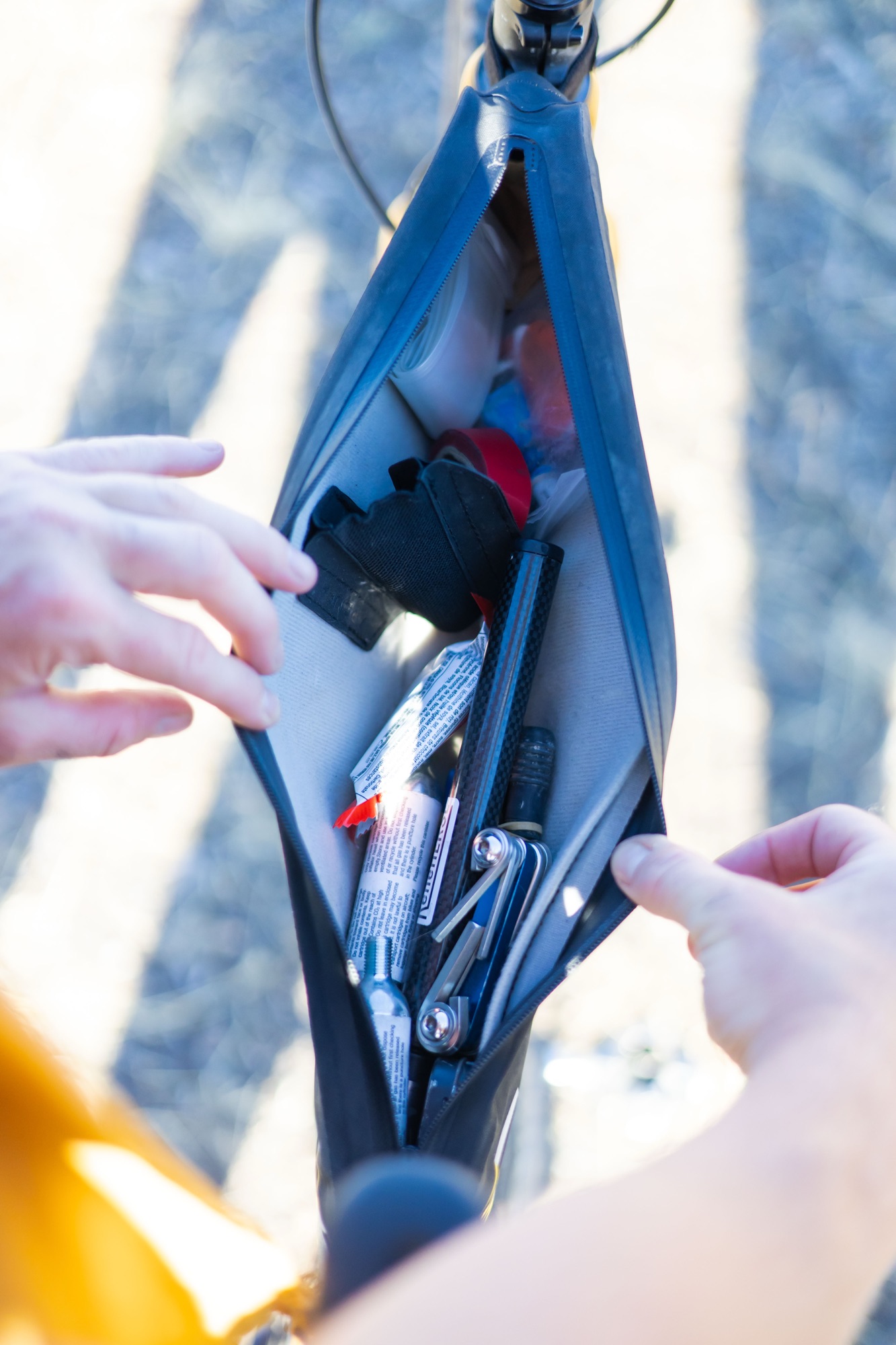
- Apidura Racing 2.0L long top tube pack (repair kit & nutrition)
Why: Essentials are always within reach and the bike remains sleek and uncluttered.
Reflections on Gear
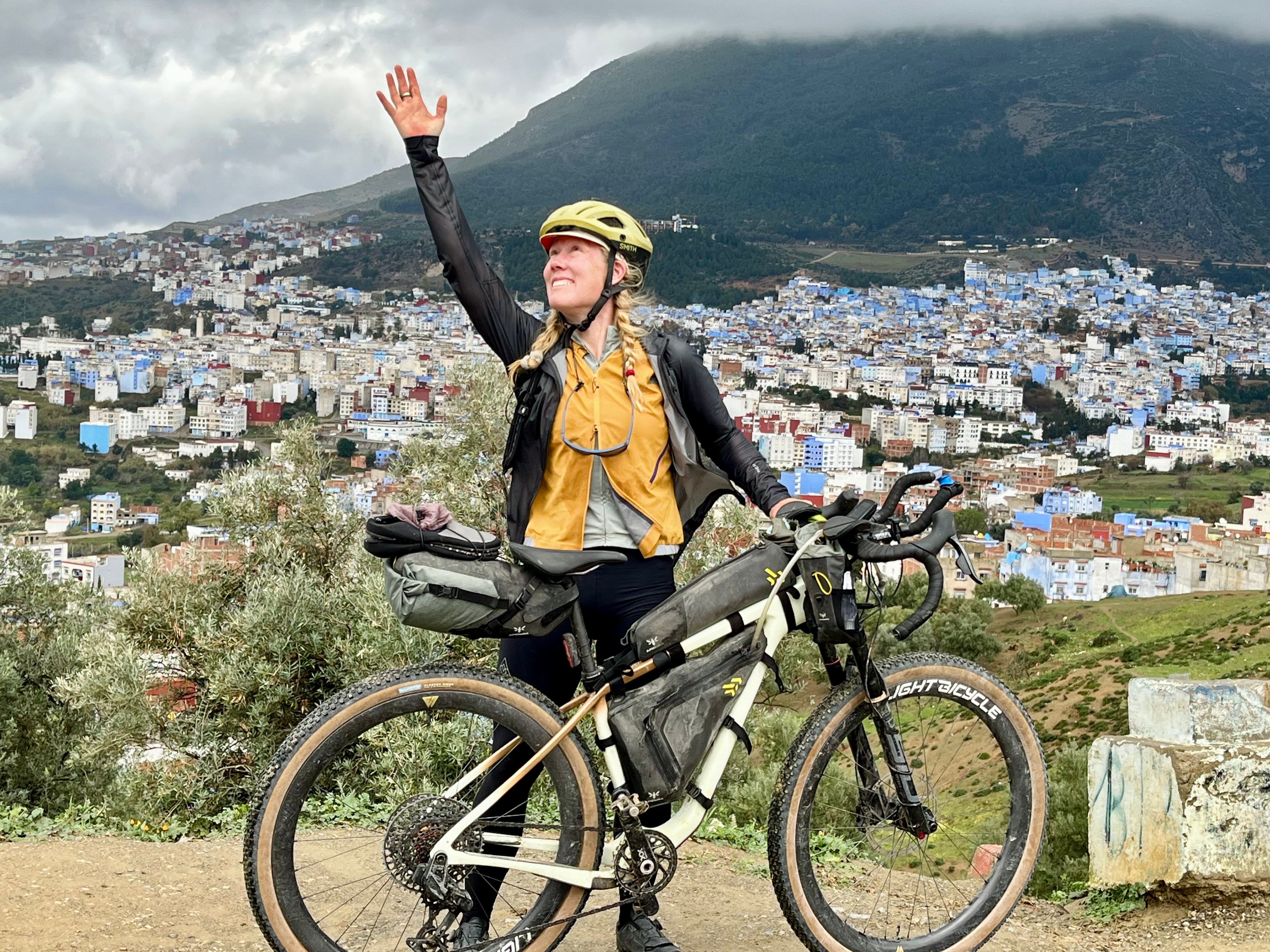
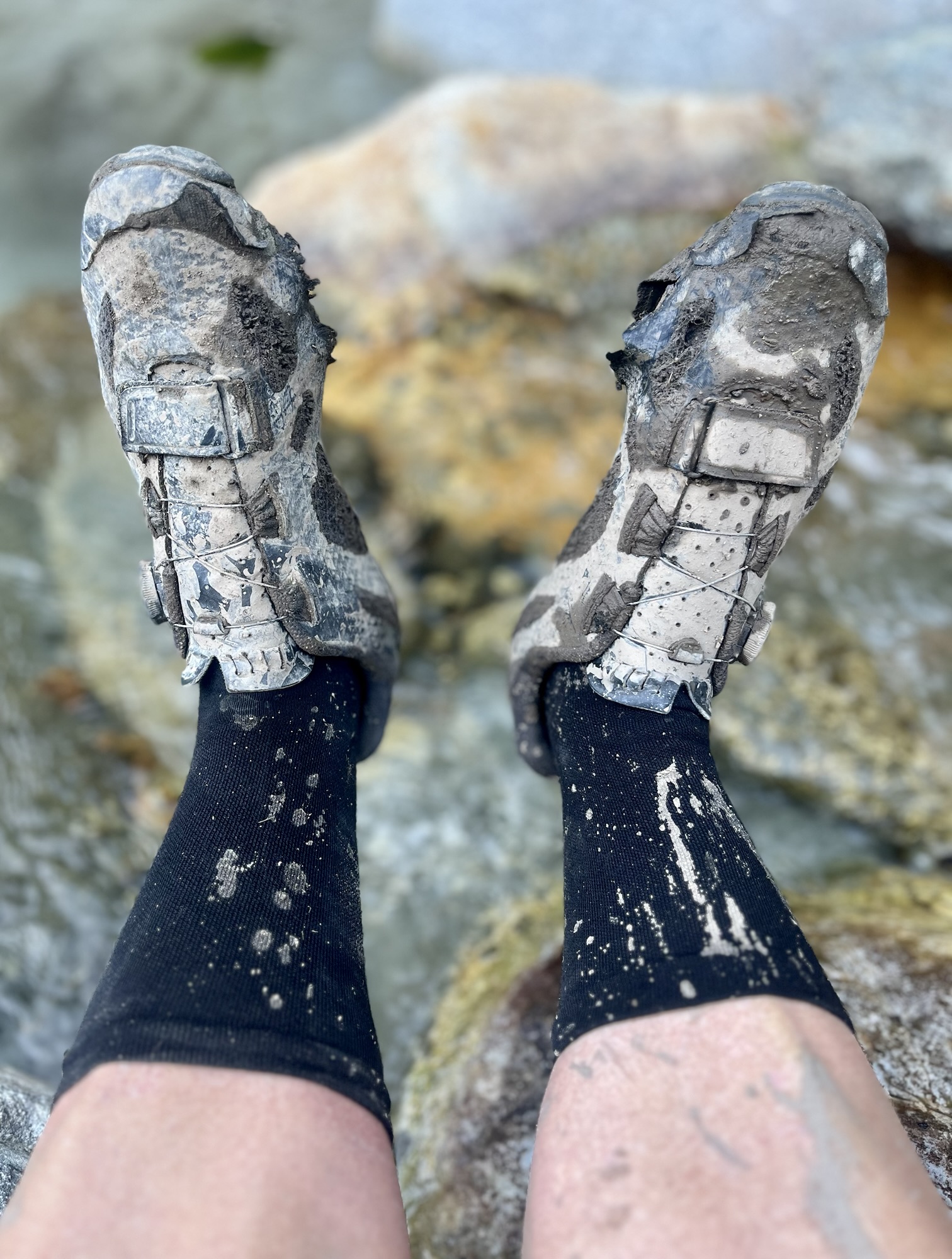
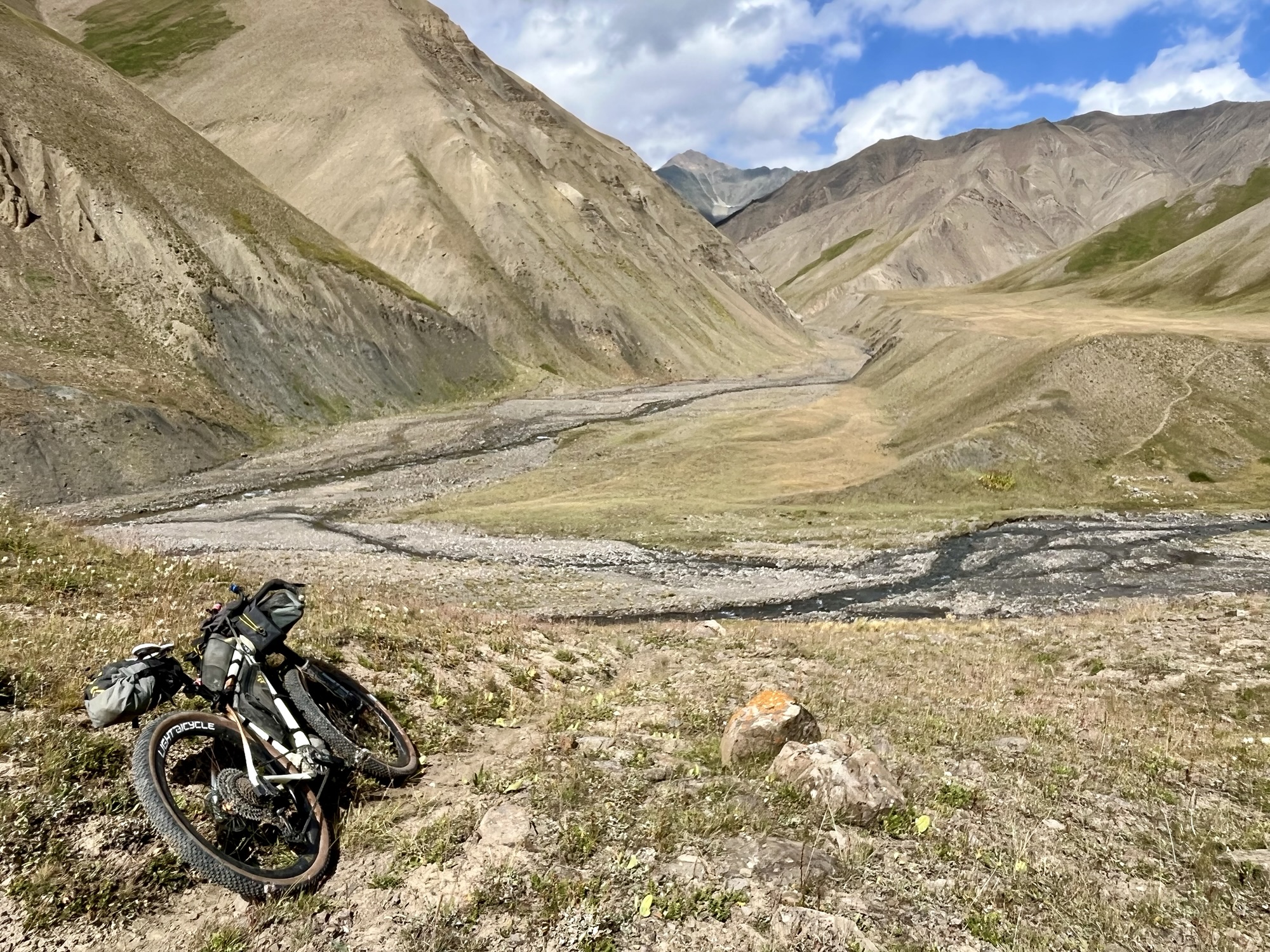
The Salsa Cutthroat’s setup was reliable enough that I could focus on riding, not gear. Aside from a couple brake pads and one puncture in Hellenic, all failures were entirely self-inflicted—baked in the Moroccan desert, plunging into river crossings in Kyrgyzstan, and an embarrassing face-plant on Mount Smolikas in Greece.
A few lessons emerged: the Petzl headlamp was dim for night hiking, the Outbound Hangover bright but heavy, and a smaller chainring would have helped on high-altitude climbs in the Tian Shan Mountains when my lungs were screaming and my legs were cooked. Flat bars may have improved technical handling on Silk Road as well.
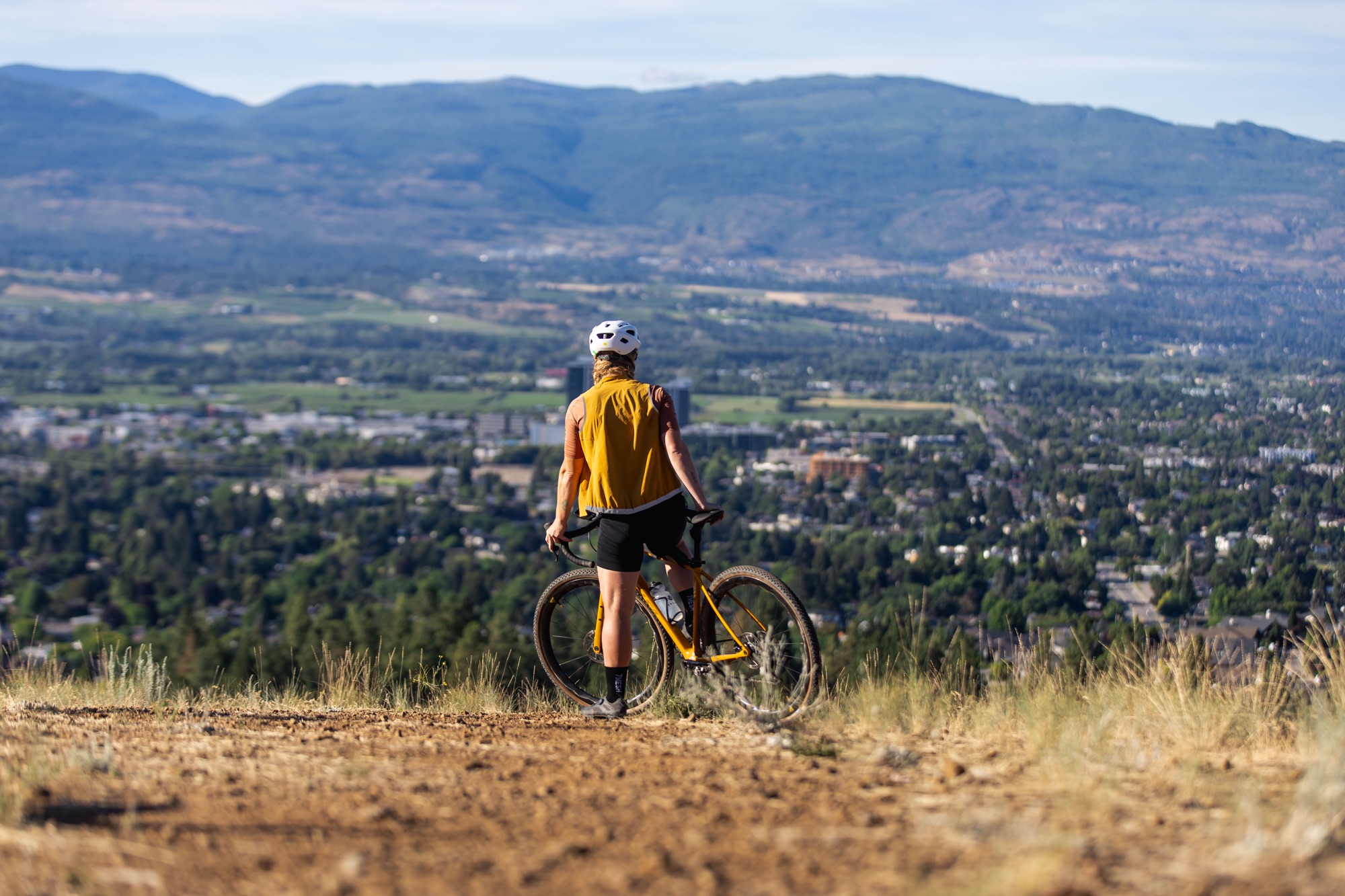
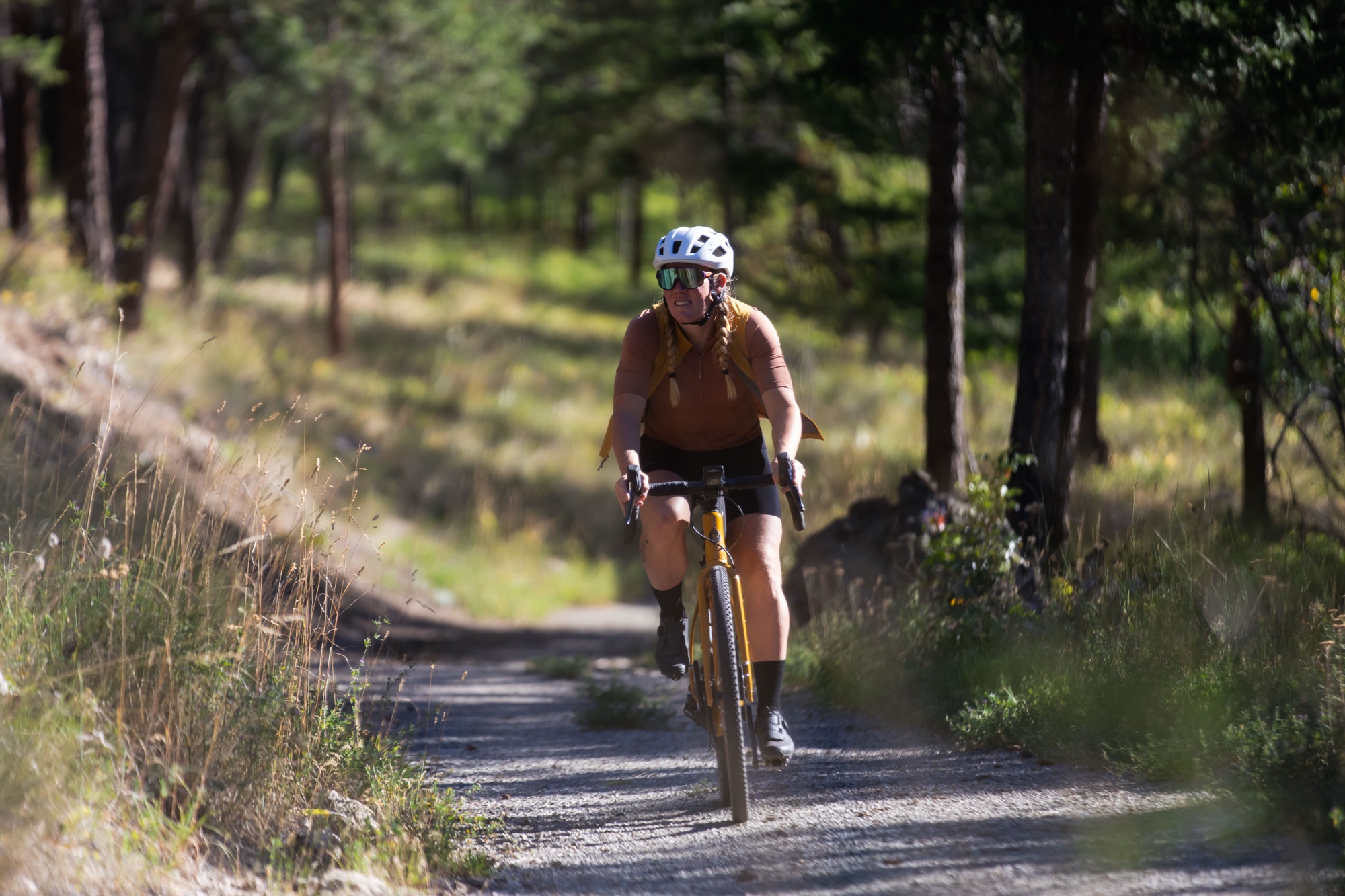
The Warbird was my training companion—the ShockStop suspension smoothed long climbs and descents, while Light Bicycle Turbo wheels kept the ride feel snappy and fun. I’m excited to experiment with dawn-to-dusk setups, optimized pack layouts, and lighting for future adventures.
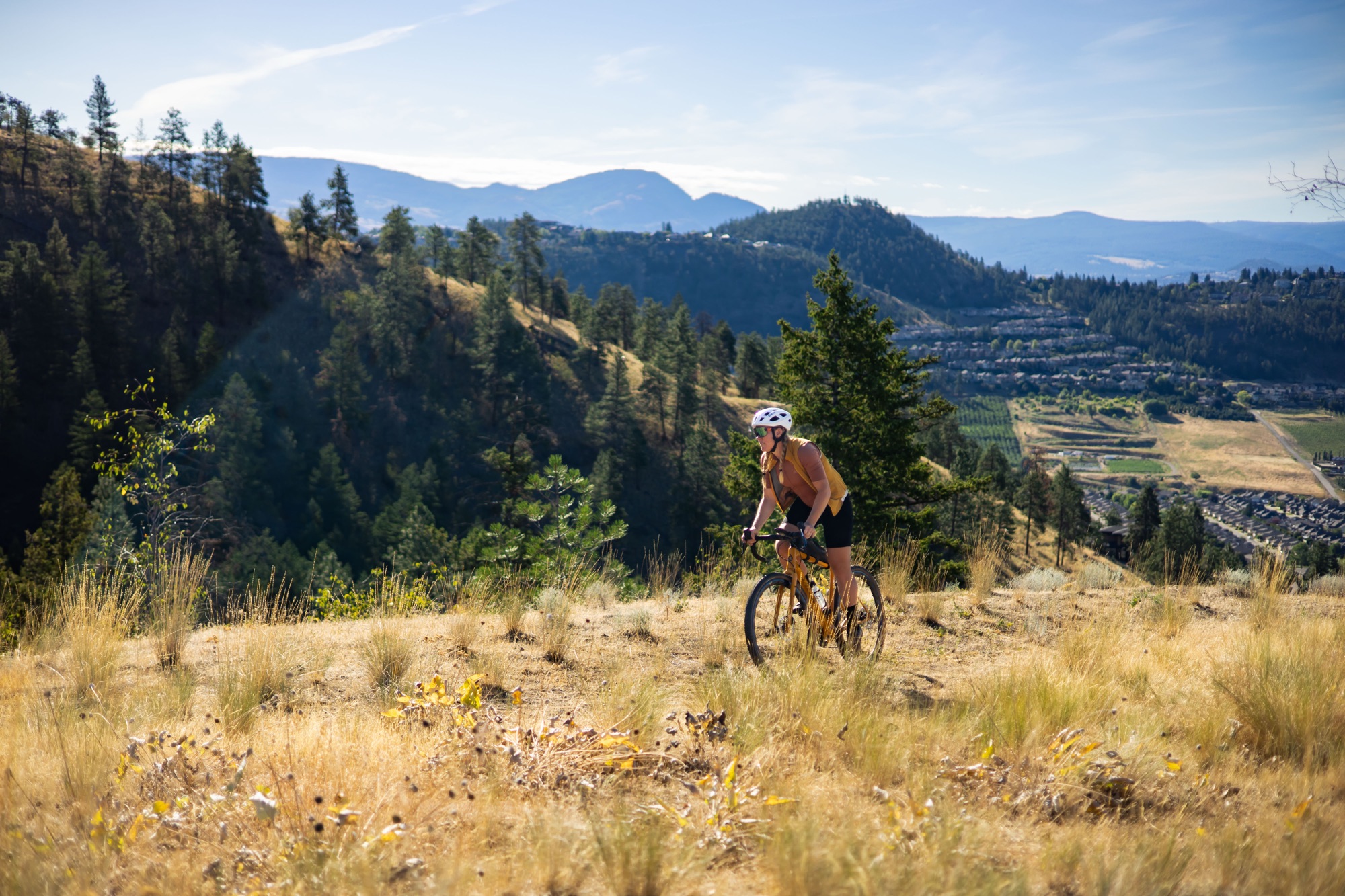
Each Piece Did Its Job
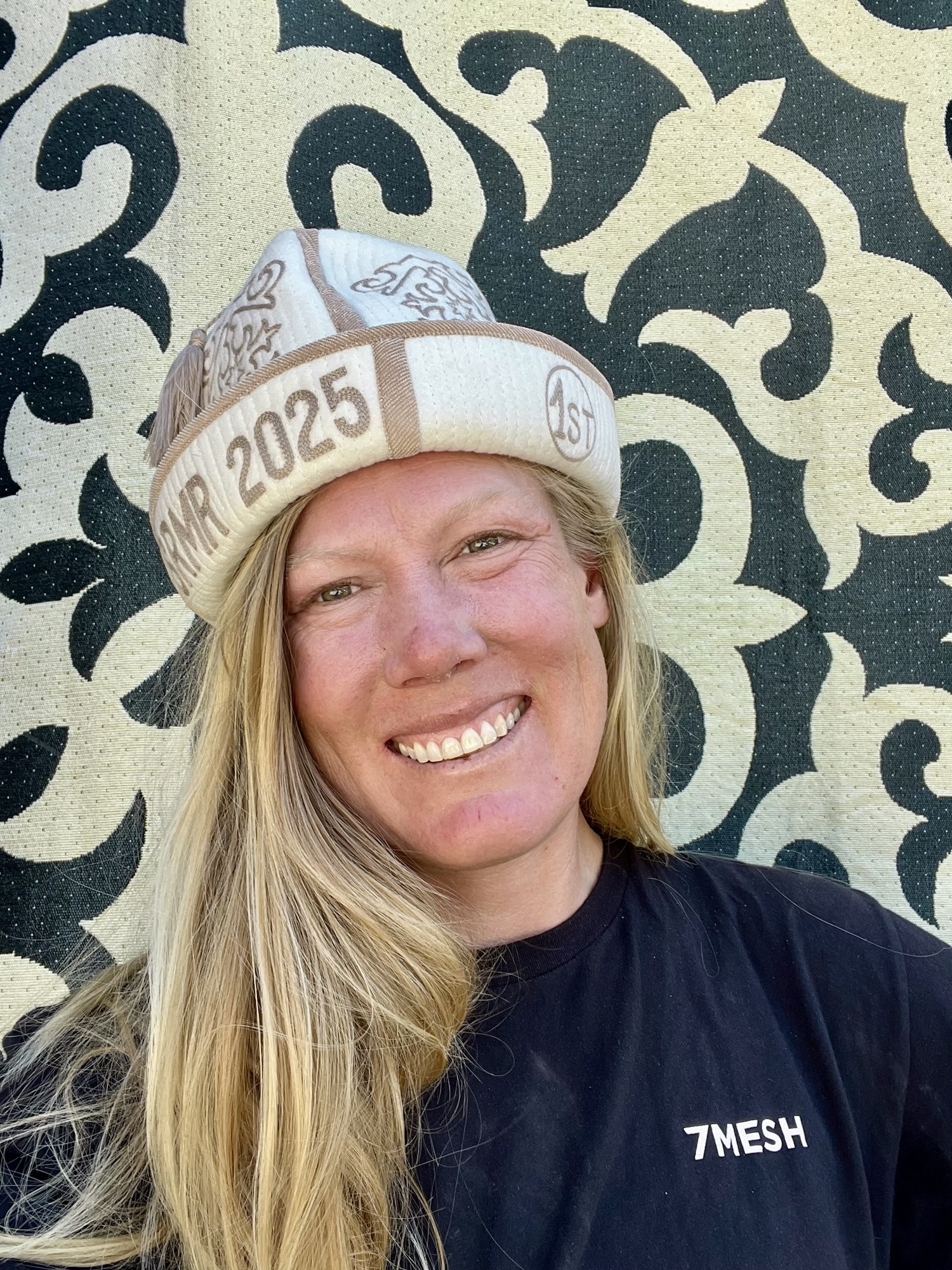
Looking back to that moonlit crossing of Telouet Pass, I’m struck by how much that moment set the tone for the series. Every pedal stroke—whether climbing, descending, bouncing over washboard, or pushing through snow and ice—was part of the adventure, demanding skill, focus, and endurance. None of it would have been possible without reliable components beneath me: a fork I could trust, wheels that rolled confidently over unpredictable terrain, and a drivetrain that shifted cleanly. Each piece did its job, giving me the confidence to chase these experiences fully and ultimately find the rhythm and resilience that led me to become the first woman to complete the Mountain Race Series in a single season. With wins in Hellenic and Silk Road, and a second-place finish in Atlas, these memories and results are something I’ll treasure for years to come.